How to grow creeping saxifrage? An old farmer sums up eight basic care methods
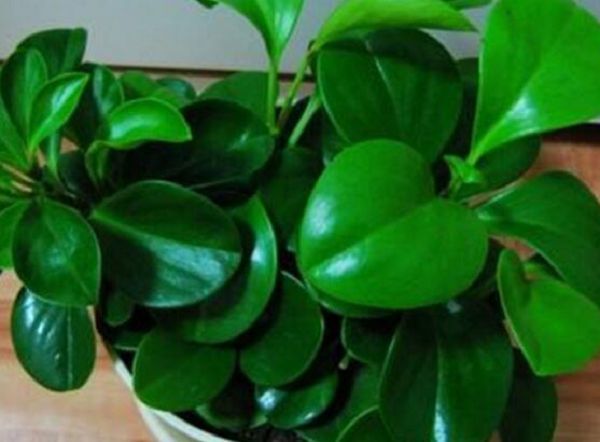
Creeping saxifrage - isn't that a phrase used to describe a girl! But what we're talking about here is a plant. The creeping saxifrage flower is a perennial evergreen herb, with pleasant green leaves and a graceful plant shape, and it has very high ornamental value. Many flower lovers enjoy growing it, so how do you grow the creeping saxifrage flower? If you want to grow it well, the editor below brings some growing methods, hoping they can be of help to you.
Growing methods for the creeping saxifrage flower
1. Soil
Creeping saxifrage likes to grow in loose, fertile, well-drained sandy soil rich in humus. For example, the potting soil ratio is seven parts leaf mold, three parts river sand, with a small amount of base fertilizer added as the growing medium.
2. Light
Creeping saxifrage likes to grow in a semi-shaded environment, which makes the leaf color brighter and the gloss better. For example, in the strong summer sun, it must not be directly exposed. In winter, it needs to maintain sufficient light.
3. Temperature
Creeping saxifrage likes a relatively warm environment, with the most suitable growing temperature of 20-30 degrees. If in winter it is 10-15 degrees, it can grow normally, and below 10 degrees it will stop growing. Below 0 degrees it will suffer frost damage.
4. Watering
Creeping saxifrage is a water-loving plant, and during the growing period it should be watered more. When the temperature is above 25 degrees, water frequently. If the temperature is below 25 degrees, wait until the surface of the potting soil is dry and then water thoroughly. In winter, when the temperature is below 10 degrees, watering can be stopped.
5. Fertilizing
We fertilize creeping saxifrage according to the weather and temperature. When the temperature is above 18 degrees, a small amount of fertilizer can be applied. When the temperature is below 18 degrees or above 30 degrees, it is best to mainly use diluted liquid fertilizer. In winter, no fertilizer or only a little fertilizer is needed. Note: when fertilizing, avoid getting it on the leaves.
6. Pruning
When creeping saxifrage grows to 10 cm, it should be pinched back to promote the sprouting of side branches. Pruning of large plants can be done according to their growth; cut back the leggy branches, and leaf cuttings as well as division can be used for propagation.
7. Propagation
The propagation methods for creeping saxifrage are leaf cuttings and division propagation. The best temperature for propagation is 20-25 degrees. For leaf cuttings, the leaf stalk must be included, and it should be inserted obliquely into river sand at a depth of one quarter or one third of the leaf stalk. After about half a month, it will take root and produce adventitious buds.
8. Pests and diseases
Creeping saxifrage has relatively few pest and disease problems. Common diseases include leaf spot and stem rot, and pests include scale insects and slugs. When disease occurs, in the early stage of onset, spray 27% copper hydroxide suspension at 600 times dilution. For pests, spray with 50% dichlorvos at 1000 times dilution, once every week.