How to rescue houseplants that have been frostbitten and turned transparent
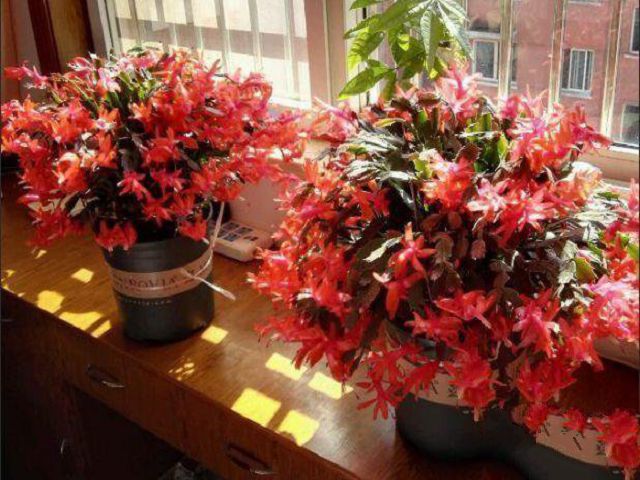
This year the winter in the south has also been particularly cold. In the Hunan region where I live, a heavy snowstorm around New Year's Day directly dropped the temperature to minus 5°C, and the icicles hanging under the eaves were 20 cm long. The colder-than-expected weather caused heavy losses among my potted plants too! Cold-sensitive foliage plants such as variegated spider plant, kalanchoe, pothos, pennywort, purple heart, and anthurium were almost completely wiped out!
Tips for avoiding losses to potted plants in winter:
When the winter temperature hovers around 10°C, cold-sensitive plants should be moved indoors promptly or given other insulation measures, and if conditions allow, potted plants can be placed on a windowsill with indirect sunlight. When watering, try to do it at noon on a sunny day, and do not water too much at one time, to avoid waterlogging overnight; maintaining good ventilation is what allows them to get through the winter smoothly. At the same time, most plants are in a dormant or semi-dormant state in winter, so generally do not repot or fertilize; the less you fuss with them, the better!
If potted plants at home are frostbitten and their leaves become transparent, how do you rescue them?
When a potted plant is frostbitten, it should first be moved to a slightly warmer environment and allowed to thaw naturally, then treated according to the degree of frost damage. Leaves that have become transparent or blackened often turn to mush after thawing and are basically irreversible. You can first prune away all the frostbitten leaves, then observe the condition of the roots and stems. Plants whose roots and stems are not frostbitten can be placed in a warm environment and continue to be grown for a period of time; if they can produce new leaves, there is still hope, for example plants such as spider plant, pothos, kalanchoe, anthurium, and purple heart can be handled this way.
When the ambient temperature is below 10°C, the growth and metabolism of potted plants generally slow down or stop completely, and only some cold-tolerant plants can adapt to short-term low temperatures around 0°C. In northern regions in winter, potted plants can be moved into heated rooms and placed in the sun through a glass window; in southern regions, placing them indoors or on an enclosed balcony is enough, and potted plants still kept outdoors can be covered with transparent plastic bags, and they will basically get through the winter smoothly.