How to Apply Top Dressing to Flowers? Detailed Explanation of Correct Methods and Techniques
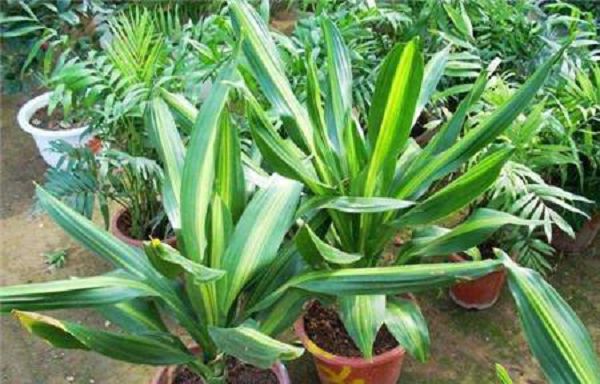
Both top dressing and repotting for flowers must follow the right conditions. Proper top dressing can promote plant growth and flowering, while improper top dressing can cause fertilizer burn in plants and, in severe cases, directly lead to plant death.
Conditions for Top Dressing
First, top dressing must take temperature into account. The suitable temperature for top dressing is between 15-30°C. Temperatures that are too high or too low will increase the risk of top dressing and make fertilizer burn more likely.
Second, top dressing depends on the plant's growth stage. During the growth period, nitrogen fertilizer is preferable; during the bud stage, fruiting stage, and after flowering, phosphorus and potassium fertilizers should be the main choice. Newly transplanted plants should not be given top dressing too early, otherwise it will affect their recovery after transplanting.
Third, top dressing must take timing into account. Top dressing should not be done at noon in summer or autumn. When applying foliar fertilizer, it is best to do so in the afternoon when there is no direct sunlight or in the evening, otherwise the leaf surface can easily be scorched.
Methods of Top Dressing
First, the general method of top dressing: when applying top dressing to potted plants, directly dig open the surface soil at the edge of the flower pot, place the fertilizer in, then cover with soil and water.
Second, water-soluble fertilizer can be mixed and dissolved with water, then applied directly as foliar fertilizer or used to water the plants as fertilizer water.
Principles of Top Dressing
The principle of top dressing is "apply thin fertilizer frequently." When you have not yet mastered the appropriate dosage, try to lower the concentration as much as possible and apply top dressing often, but preferably with an interval of one week or more.
Special Cases of Top Dressing
First, plants in full bloom basically do not need top dressing, but annual and perennial herbaceous flowers that bloom year-round, such as petunias, geraniums, dianthus, and moss rose, can also be given top dressing during full bloom.
Second, ground-planted plants are not as strict about temperature requirements, and the need for top dressing can be determined based on the plant's growth condition.