Five major issues to watch for in hydroponic flower care
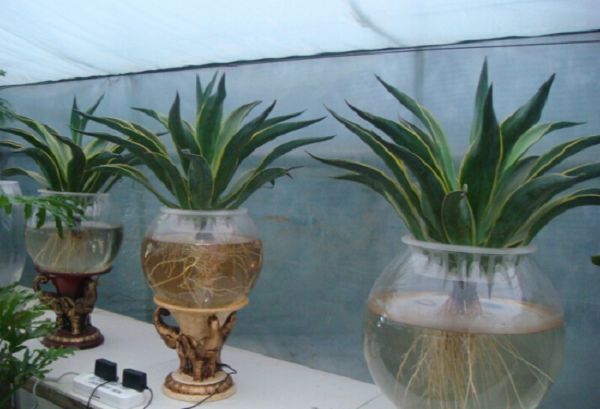
Hydroponic flowers are also a form of soilless cultivation. They have many advantages, such as being clean and hygienic, requiring no watering, having roots clearly visible, and being able to form beautiful and delicate shapes with the plant. Among foliage plants, many can be grown in water, such as Guangdong evergreen (Aglaonema), dragon tree (Dracaena), foliage begonia, clearweed (Pilea), Pittosporum, inch plant (Tradescantia zebrina), and glasswort (Peperomia). The following points should be noted for hydroponic flowers:
(1) Soak the roots of cuttings. Cuttings should be 8-12 cm long, contain 3-4 stem nodes, and have a smooth, slanted cut surface. Cuttings and bottles should be disinfected with alcohol.
(2) Change the clean water once every 2 days. At 20-30°C, roots will form in half a month. During root formation, it is best to cover the cuttings with a plastic bag to maintain humidity and place them in a semi-shaded spot indoors. After rooting, do not change the water, to prevent damaging the roots; when the water level drops, promptly refill it.
(3) However large the bottle is, the root system can grow only that much, but roots grown in water are relatively thin and weak.
(4) Bottle-grown hydroponic plants also need fertilizing. During the growing season, apply a small dose of foliage flower fertilizer once every 2 weeks, which can promote robust plant growth.
(5) If the container used is transparent, it is best not to place it in direct sunlight, to avoid the water temperature rising and algae growing, which would affect root growth.
Hydroponic flowers are different from the plants that can grow in water mentioned in the previous article. Growing in water means submerging the entire plant in water, while bottle hydroponics means that part of the plant's root system grows in water, while the stems and leaves still grow in the air. The two should be distinguished.