What flowers go dormant in summer? A roundup of common varieties
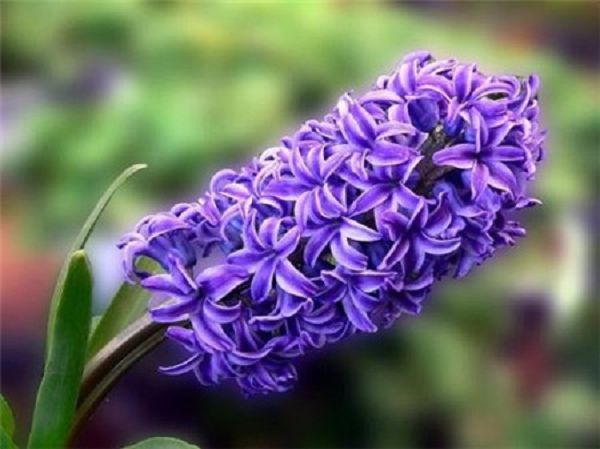
Many plants in nature have a dormant period; this is their automatic defense mechanism against harsh natural environments. Some of these plants go dormant in winter, while others go dormant in summer. Today, the editor has put together some of the summer-dormant flowers to share with everyone.
What is dormancy
When talking about the dormant period of flowers, it refers to the period in summer or winter, that is, the time when the average annual temperature is at its highest or lowest, when flowers, unable to withstand the damage of high or low temperatures, adopt a state of dormancy and halted growth to adapt to the harsh environment.
Main characteristics of the dormant period
All dormant flowers show one characteristic: the plant stops growing or its growth rate slows down. Today we are mainly talking about summer-dormant flowers, and the main reason is that the growing environment temperature exceeds 30 degrees. Some become semi-dormant, some become completely dormant, and some even lose their freshness and wither.
Common summer-dormant flowers
Varieties
The summer-dormant flowers that people grow most in daily life mainly include wax begonia, clivia, tulip, cyclamen, geranium, hyacinth, corn poppy, stock, pasqueflower, calla lily, narcissus, daisy, and so on.
Classification
Among the summer-dormant flowers listed above, three different ways of getting through summer can be distinguished. Cyclamen, pasqueflower, hyacinth, narcissus and others have bulb parts that need to go dormant; stock, daisy, corn poppy and other flowers have seeds that need to go dormant to get through summer; and flowers such as clivia, carnation, geranium, fuchsia, and calla lily cannot endure high temperatures as a whole plant and need to go completely dormant.
Once the hot and scorching summer climate is handled improperly, delicate flowers will suffer a great setback. As long as they are carefully managed through the summer, they will gradually revive.