Cultivation Techniques and Management Methods for the Flowering Pilea
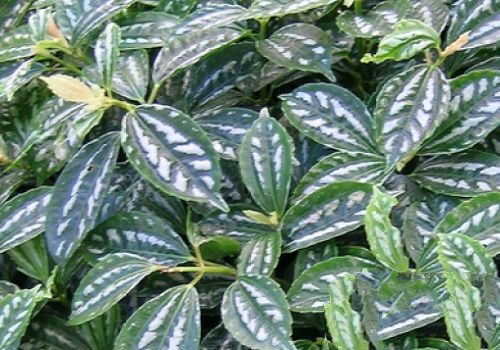
The flowering Pilea (Pilea cadierei) prefers a warm, humid climate and loose, fertile sandy soil. The suitable growing temperature is 15°C to 25°C, and in winter it must not drop below 5°C. The specific management is as follows:
I. Light Management The Pilea is an indoor flower with very beautiful leaf color. It is very shade-tolerant but prefers ample light, and direct strong light should be avoided. In summer, place the pot by a north-facing window; in winter, move it to a south-facing window. If the light is too dim, the leaf color will fade; if the sunlight is too strong, the leaves will be scorched.
II. Fertilizer and Water Management Follow the principle of moist management: keep the potting soil dry without cracking, and moist without being soggy. In summer, frequently spraying water on the leaf surface keeps the leaves clean and glossy. In winter, spray less water on the leaves, otherwise black spots will appear on the leaves, and they may even turn black and rot. During the growing season, apply a nitrogen liquid fertilizer at a 20% or 30% concentration once about every two weeks to promote robust growth. After autumn, increase the application of phosphorus and potassium fertilizers to strengthen the stems and prevent lodging.
III. Propagation Cuttings are mostly used, and can be done in both spring and autumn. For small quantities at home, use the stem tips as cuttings in May, with river sand or vermiculite as the medium. Under suitable temperature conditions (20°C to 25°C), roots develop in about 10 days. After the new shoots grow 3 cm to 5 cm, pot them up in sandy soil. Water thoroughly to settle the roots, then return to normal management.
IV. Other Management Repot once a year. When an old plant becomes straggly in shape and its ornamental value declines, propagate young seedlings by cuttings to renew it and improve its ornamental value. At the same time, this can also reduce pest and disease damage. Under poor ventilation, it is prone to aphid damage. When the potting soil remains muddy for a long time, the roots often rot, so attention should be paid to reasonably controlling water and soil.