What plants bloom in winter? A comprehensive review of common flower varieties
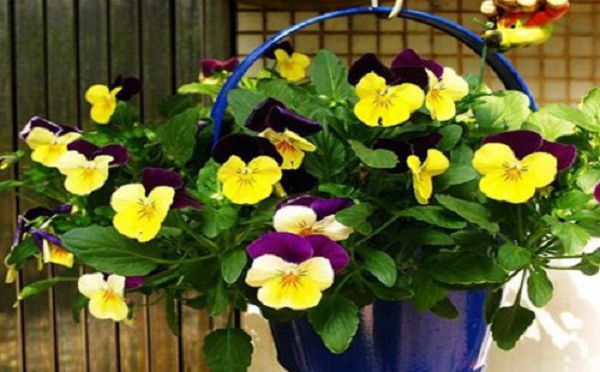
Winter is quite hard to endure for many flowering plants, especially those with poor cold tolerance, which suffer even more - they may get frostbitten in mild cases or freeze to death in severe cases. Even potted flowering plants may still be damaged by cold if timely cold-proof and warmth-preserving measures are not taken. In the northern regions, where winter temperatures are lower and colder than in the south, cold damage tends to be even more serious.
Although winter's climate and environment are too harsh for most flowering plants to successfully overwinter outdoors, even so, a small number of flowering plant varieties can not only grow normally in winter but also bloom successfully! So, what are they?
In many parts of our country, winter is lonely and cold, and even if some flowering plants can bloom, they are often few and far between. In such a cold environment, the plants that can bloom normally are typically represented by a small number of flowering plants such as narcissus, hyacinth, and cyclamen. Flowering plants like these that can bloom in winter are often annual or biennial herbaceous flowering plants, and their mission is to bloom in the cold world, bringing people a touch of warmth and vitality.
However, after all, these flowering plants can bloom in winter, and while blooming they also leave beauty in the world. Since their flowering period is in winter, blooming in winter is perfectly normal, which shows that they must have very strong cold tolerance. According to the traditional view, herbaceous plants gradually wither after winter arrives and certainly do not bloom.
In fact, this is indeed true for those delicate flowering plants that usually have poor cold resistance and poor adaptability to the environment. However, if the plants being grown themselves have very strong cold resistance and, in addition, strong adaptability to harsh environments, then when winter comes they are often not much affected by low temperatures. Even if the temperature is sometimes indeed too low, we can still promptly take necessary cold-proof and warmth-preserving measures for them; as long as the growing environment is guaranteed, they can likewise be expected to bloom normally.
Especially for flowering plants grown in pots, when winter temperatures drop, we can take the opportunity to move them indoors to a spot near a windowsill for care. On the one hand, the plant can receive light through the window; on the other hand, it is also easier to control the indoor temperature. As long as our cold-proof and warmth-preserving measures are done properly, it will not only fail to affect the plant's blooming, but instead we will feel the vitality that blooming brings to the cold winter.
In the winter of northern regions, plants that can bloom in winter are often only vine flowering plants and herbaceous flowering plants. If in southern regions, then there are many more flowering plants that can bloom in winter. After all, winters in the south are relatively warmer, and the extremely cold windy and snowy weather of the north generally does not occur. And if sowing is to be done, because temperatures in northern regions warm up a bit later than in southern regions, the sowing time is also relatively delayed.
But whether in southern or northern regions in winter, as long as we can enjoy the process of flowers blooming in the cold season, it is an enjoyment of life. Of course, this can only be achieved if we can carry out scientific care and management for them in winter. As long as we put in a little more for the flowers and plants, we will get a little more in return.