Pneumonia pandemic hits global port closures and lockdowns, severely damaging flower exports as Japanese and US markets shrink
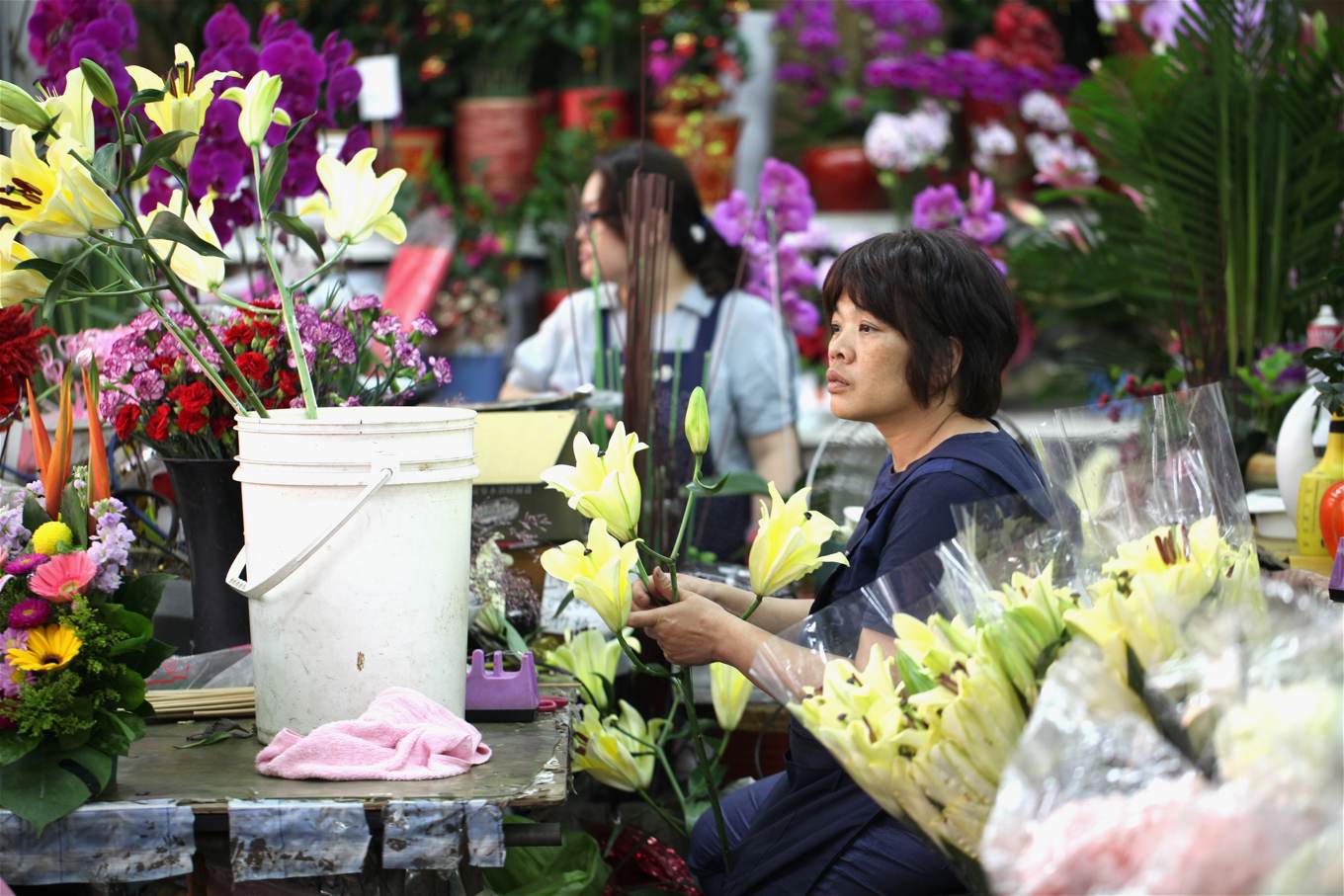
The COVID-19 pandemic (commonly known as Wuhan pneumonia) shows no sign of stopping. After fruits and leafy vegetables were affected, the flower industry has also recently been hit. As the global pandemic expands, countries have closed ports or locked down, and cargo flights have plummeted. For flowers, which are not daily necessities, export orders have dropped sharply. After the Council of Agriculture provided overseas marketing incentives for cut flowers and cymbidium in March, it announced on April 6 that it would raise the incentive standards and expand them to all categories of flowers and seedlings to stimulate exports.
Flower exports have been setback, and the domestic sales situation is also not optimistic. Overall trading volume has dropped by nearly 30% compared with before. In addition to the pandemic hitting flower demand recently, according to statistics from the Agriculture and Food Agency, the average annual flower consumption per person in Taiwan, China is only 300 yuan. Flower farmers and florists say that young people are unfamiliar with flowers and do not have the habit of buying flowers, which is a major warning sign for the industry's development. "Upstream and Downstream" takes stock of the difficulties faced by the flower industry in both export and domestic sales. This article focuses on exports; for the challenges facing domestic flower sales, please click here.