Top 10 cold-hardy famous flowers: a list of flowers with strong cold resistance
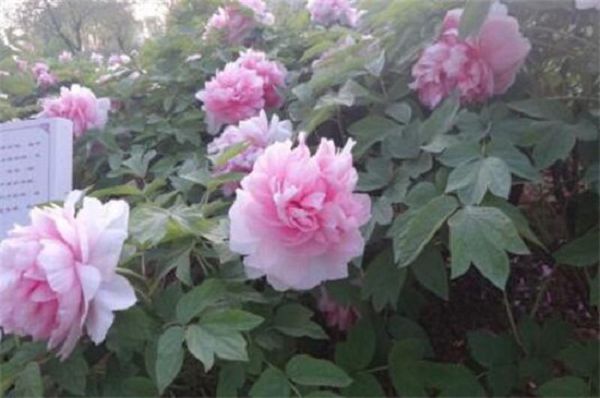
Every plant has a different level of cold tolerance, and among the top 10 famous flowers, those with relatively strong cold resistance include Chinese peony (Paeonia lactiflora), tree peony (Paeonia suffruticosa), camellia, orchid, narcissus, azalea, wintersweet, tulip, kalanchoe and bird of paradise; these flowers all have fairly strong cold tolerance and also offer high ornamental value, and they can normally be grown in pots for care.
1. Chinese peony
Every plant has a different level of cold tolerance, and the Chinese peony is relatively cold-hardy among the famous flowers. Normally in winter, only temperatures below 0°C will cause the plant to suffer frost damage. It should be placed in sunlight for care in winter, and with the help of sunlight, the Chinese peony can produce beautiful blooms.
2. Tree peony
The tree peony is also one of the cold-hardy plants among the top 10 famous flowers. Not only are its flowers large and vivid with extremely high ornamental value, but its cold tolerance is also extremely strong, making it very difficult to kill by freezing in winter. Normally, placing the tree peony in a sunny spot indoors allows it to get through winter safely.
3. Camellia
Camellia has a certain degree of shade tolerance and can be grown in a pot indoors for care. When it blooms, its ornamental value is extremely high. Normally, camellia can withstand -14°C, making it very suitable for planting and care in northern regions, though it is best to keep the temperature above 0°C in winter.
4. Orchid
Orchids are fairly common flowers in China. The flowers they produce have a very distinctive form, and each variety has a different level of cold tolerance; many of them can withstand -5°C. They can normally be grown in pots for care, and in early winter an application of organic fertilizer can help them get through the cold winter.
5. Narcissus
Narcissus likes to grow in moist soil, and in fact its cold tolerance is also fairly high. Normally, as long as the winter temperature does not drop below 0°C, it will be very difficult to cause frost damage. In winter it can be placed in sunlight for all-day sun exposure, so that it avoids frost damage or being frozen to death under low winter temperatures.
6. Azalea
Azaleas are planted in most regions of China, especially in the cold northern regions, because they also have a certain degree of cold tolerance. The flowers they produce are very large. Although they have a certain degree of cold tolerance, in the northern winter they still need to be placed in sunlight and the temperature kept above 5°C.
7. Wintersweet
Wintersweet blooms every year under low winter temperatures. Generally it can grow at a cold tolerance of 5°C. However, if you want wintersweet to bloom more in winter and extend its flowering period, you can keep the temperature at around 10°C and also place it in sunlight for care; this can extend the flowering period by 10 days.
8. Tulip
When tulips are in bloom, the flowers they produce give off a captivating fragrance and are deeply loved by people. Normally tulips can withstand -14°C. Even when cared for indoors in the north in winter, they are very difficult to cause frost damage or freeze to death, making them very suitable for beginners to grow in pots.
9. Kalanchoe
Kalanchoe has an extremely strong ability to adapt to its environment. Normally, among the top 10 famous flowers, kalanchoe's cold tolerance is also very strong; even at winter temperatures below 0°C it is difficult to cause frost damage. However, in winter you need to pay attention to controlling water and stopping fertilizer, otherwise kalanchoe will find it very difficult to continue growing.
10. Bird of paradise
The leaves of bird of paradise are green all year round. Even when it is not blooming, it still has very high ornamental value. It generally likes to grow in environments of 20-28°C and also needs at least 4 hours of light. However, in winter the temperature should be kept above 5°C and it should be given plenty of light for care.