How to grow hydroponic flowers? Master these three care points
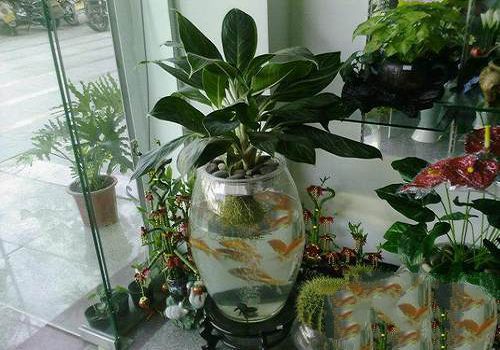
1. Pay attention to placement
Hydroponic flowers are slightly shade-tolerant and prefer warmth and humidity; they mostly dislike high temperatures, dry heat and direct sunlight, so they are best placed in a bright, ventilated indoor spot to promote growth. If air conditioning can keep the room temperature between 15°C and 25°C, that is ideal.
2. Use nutrient solution reasonably
For plants that tolerate higher temperatures in summer and grow vigorously, nutrient solution cultivation can be used (such as pothos, Philodendron and similar flowers); for plants with fine fibrous roots that are dormant or semi-dormant at around 30°C, cultivate them in clean water (such as bamboo begonia, bromeliads, etc.). There are many types of plant nutrient solutions sold on the market; choose a dedicated matching nutrient solution produced by a well-known brand that suits hydroponic flowers. If there is none, a general-purpose plant nutrient solution can also be used. Mix the nutrient solution concentration according to the instructions; do not increase the concentration at will. As long as the major elements (nitrogen, phosphorus and potassium) are not lower than the required content, a slightly lower nutrient solution concentration is beneficial to flower growth.
3. Prevent root and stem rot
Replace the nutrient solution in time. Flowers that have already grown water roots need the nutrient solution replaced once every 3 to 5 days to prevent it from becoming cloudy. When replacing the nutrient solution, patiently rinse the roots with clean water, remove rotten roots and cut back aged roots to encourage new root growth.
For hydroponic flowers with clear water and clean roots, shake the container several times a day (while shaking, hold the flower with one hand and shake the container with the other) to increase the oxygen content in the liquid. For those planted in large containers, an aquarium air pump can be installed; a micro circulation pump can also be installed to change the water automatically, using flowing water to increase the dissolved oxygen content in the liquid and improve water quality (when using an automatic water changer to clean, generally once a month, though a shorter interval is of course better).
When root and stem rot occurs, use a sharp blade to cut off the infected part, then soak the roots and stems in a 0.5% potassium permanganate solution for 10 to 20 minutes, afterward rinse them clean with cool boiled water, and place them in a clean container to rest in clean water.
For those changed from soil cultivation to hydroponics, wash the soil off cleanly, place them in a larger container for cultivation, and change the water once a day. Wait until the white water roots grow to more than 5 cm, then cultivate with a low-concentration plant nutrient solution, and afterward replace the nutrient solution once every 5 days.
In summer, plants are more prone to pests and diseases. Once discovered, never use pesticides directly for control, and especially do not spray flower heads directly with aerosols such as "Miehai Ling", as this can easily cause pesticide damage; pesticides should be diluted in proportion before use.