What do repotting recovery, potting, repotting into a larger pot, soil refreshing, and rotating the pot mean for flowers?
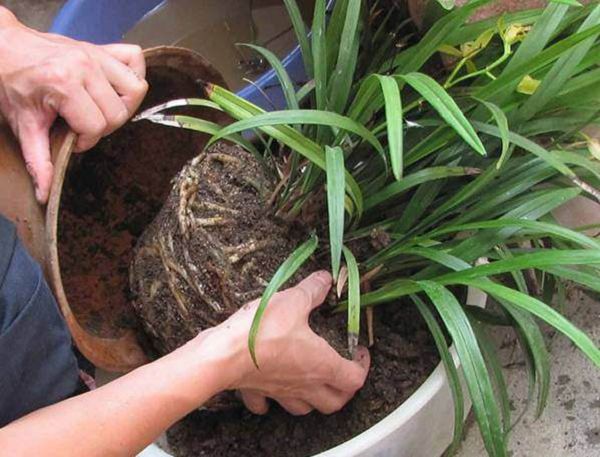
What are repotting recovery, potting, repotting into a larger pot, soil refreshing, and rotating the pot?
Follow first
01
Repotting recovery:
For flowers that have just been potted or repotted, once they have been cared for and brought to survival through measures such as watering, misting, and shading, this is called repotting recovery.
02
Potting:
In potted flower cultivation, the process of transplanting seedlings from a seedbed or seedling container (seedling tray, shallow seedling pot, nutrient pot) into a flower pot is called potting.
03
Repotting into a larger pot:
After a flowering plant has grown in a pot for some time, once the seedling has grown larger and the root system has become excessive, the nutrients in the pot are no longer enough to meet its growth; at this point, the process of removing the plant from the pot and replanting it into a larger pot is called repotting into a larger pot.
04
Soil refreshing:
After a flowering plant has taken its final form and no longer grows larger, but after being cultivated for some time the physical and chemical properties of the soil have deteriorated and nutrients are insufficient, the process of removing the plant from the pot, pruning the roots, replacing the nutrient soil, and replanting it back into the original pot or a pot of the same size is called soil refreshing.
05
Rotating the pot:
For flowers with strong phototropism, the orientation of the flower pot should be rotated frequently to prevent the flowers from growing lopsided and affecting their ornamental value. For example, clivia is generally rotated once a week.