Ten flowers that should not be kept or placed indoors for long periods
Summer is the season when flowers and plants bloom. Brightly colored flowers and plants delight the eye, and placing them indoors can purify the air. However, there are particular considerations for keeping flowers and plants indoors, to prevent certain flowers and plants from having adverse effects when placed indoors. Below are 10 flowers and plants that should not be placed indoors.
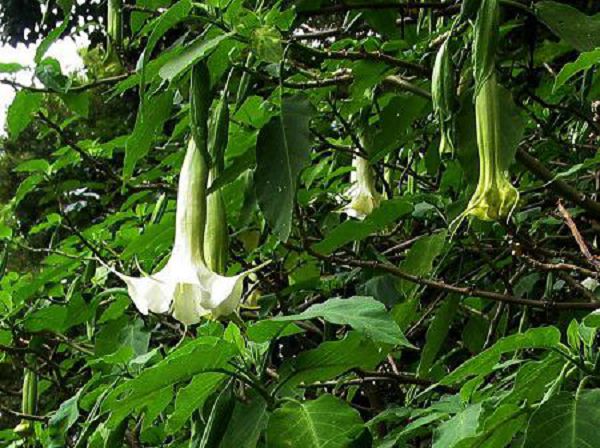
Datura
Datura is like an invisible killer, and you must never keep it at home. The entire plant is toxic: first, the fruit and seeds are the most toxic; second, the young leaves, and even the leaves after air-drying, also contain toxins. Its flowers also have an anesthetic effect; if eaten by mistake, they can make a person excited and cause hallucinations. Consuming too much can damage the central nervous system and, in severe cases, threaten life.
Corn poppy
The corn poppy has a beautiful name and bright flowers, and its legend is even more poignant and moving, but its entire plant is toxic. It belongs to the Papaveraceae family, and its fruit is relatively severely toxic. Eating it by mistake can cause dysfunction of the cranial nerves and, in severe cases, endanger life and health.
Oleander
Oleander can be said to be toxic throughout the entire plant. If its secreted white sap is eaten by mistake, symptoms such as vomiting, loss of consciousness, diarrhea, and respiratory disorders will occur, and in severe cases it can endanger health and life. In particular, if oleander branches and leaves are burned, the smoke produced is also highly toxic.
Lantana
Lantana is cultivated in South China regions such as Guangdong, Hainan, Fujian, Taiwan, China, and Guangxi, and is a wild flower. The plant itself appears non-toxic and harmless, but its flowers, leaves, and unripe fruit are toxic. If eaten by mistake, it can cause serious consequences, such as chronic liver poisoning, with symptoms including coma, vomiting, diarrhea, fever, jaundice, and rapid breathing.
Geranium
Geranium, also called "foreign hydrangea," is the best flower for decorating windowsills and corners, but the substances it emits can cause skin itching when people come into contact with them. If the stems and leaves of hydrangea are eaten by mistake, symptoms such as urgency, colic, diarrhea, breathing problems, vomiting, and blood in the stool can occur.
Narcissus
Narcissus has a history of more than one thousand years of cultivation and appreciation, and placing it indoors can make people feel warm and peaceful. However, its bulb (scaly bulb) contains lycorine toxin. Its flowers, branches, and leaves all contain toxins, and if the sap splashes onto the skin, it can quickly make the skin red and swollen. After poisoning, it can cause abdominal pain, nausea, and vomiting. Its floral fragrance can also disorder the nervous system, and long-term inhalation of its scent can cause dizziness, with inhalation before sleep being even more serious.
Poinsettia
Poinsettia has a relatively long flowering period, and its blooming time happens to fall during Christmas and the Spring Festival. Using it to decorate indoors can add a festive atmosphere, but it must never be placed indoors for a long time, because it releases toxic substances harmful to the human body. If its secreted milky sap comes into contact with the skin even slightly carelessly, it can cause an allergic reaction, quickly making the skin red and swollen, and in severe cases can lead to ulceration. If the stems and leaves are eaten by mistake, it can cause abdominal pain and vomiting, and in severe cases may even be fatal.
Chinese rose
In fact, the Chinese rose itself is not toxic; it is the overly rich fragrance of its flowers that produces an irritating odor, which can cause respiratory infections, so it should not be kept indoors for a long time.
Yellow rhododendron
Rhododendron molle, also known as yellow rhododendron, has flowers that contain a large amount of toxin, so do not casually smell or touch them. If eaten by mistake, poisoning will occur, and in severe cases it can trigger toxic shock and harm human health.
Night-blooming jasmine
Night-blooming jasmine is a relatively special plant. During the day it can be placed indoors, but at night it must be moved outdoors. At night, after there is no sunlight, night-blooming jasmine releases a large amount of waste gas. Although its fragrance is strong, it is harmful to health. If it is placed indoors for a long time, it can cause coughing, dizziness, and even insomnia and asthma.
In life, we see many kinds of flowers and plants, but no matter what kind of flower it is, it cannot be kept in a closed space, especially a bedroom. The toxicity of flowers and plants is a self-protective mechanism. As the old saying goes: they can be admired from afar but not treated disrespectfully. We should appreciate their beauty with our eyes and not casually harm or pick them.