Can flowers be repotted in winter? It is advisable to avoid repotting in winter as much as possible.
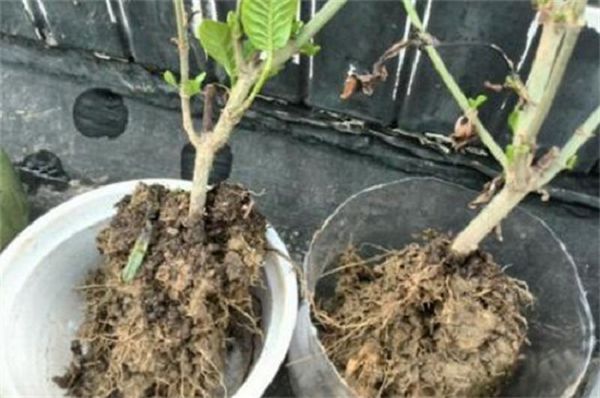
The winter climate is relatively cold, and most flowers are not suitable for repotting in winter. Normally, try not to repot in winter. Usually, only flowers with strong cold tolerance, such as areca palm (Dypsis lutescens) and lucky bamboo (Dracaena sanderiana), can be repotted, otherwise the flowers are very easily frostbitten. Moreover, when repotting in winter, the temperature should be kept at around 10-15°C, and the flowers should be repotted in full sunlight.
Try not to repot flowers in winter.
The repotting time for each type of flower is different, and in the cold winter season, it is best not to repot flowers, as the plants are very easily frostbitten. So, can flowers be repotted in winter? It may even cause the plants to wither and die. Usually, flowers with strong cold tolerance, such as areca palm (Dypsis lutescens) and lucky bamboo (Dracaena sanderiana), can be repotted in winter.
If flowers are repotted in winter, it is best to keep the temperature at around 10-15°C, and carry out the repotting in full sunlight. Also, be sure to avoid cold wind as much as possible, as this can prevent the plants from being frostbitten in winter. Normally, it is best to repot and change the soil when the plants are growing vigorously, and try not to repot in winter.
Flower repotting and soil-changing method: Each time you repot a flower, first stop watering and fertilizing for one week, and repot only after the soil has dried out. When repotting the flower, tap the sides of the pot with your hand to make the flower come out of the pot, which can effectively prevent damage to the flower's roots and affect its growth in the pot soil.
Each type of flower has different soil requirements, but first you need to choose a suitable container for repotting according to the size of the flower, then prepare soil suitable for the flower's growth as the repotting and soil-changing medium. You need to appropriately remove some of the old soil from the surface of the flower's roots, then replant the flower into the new pot soil. After it adapts to the soil, water and fertilize it and care for the flower normally.