500 hectares of aquaculture-fishery solar coexistence proposed in a black-faced spoonbill hotspot, sparking controversy! Environmental groups call for clear rules to be established first before individual cases can be reviewed
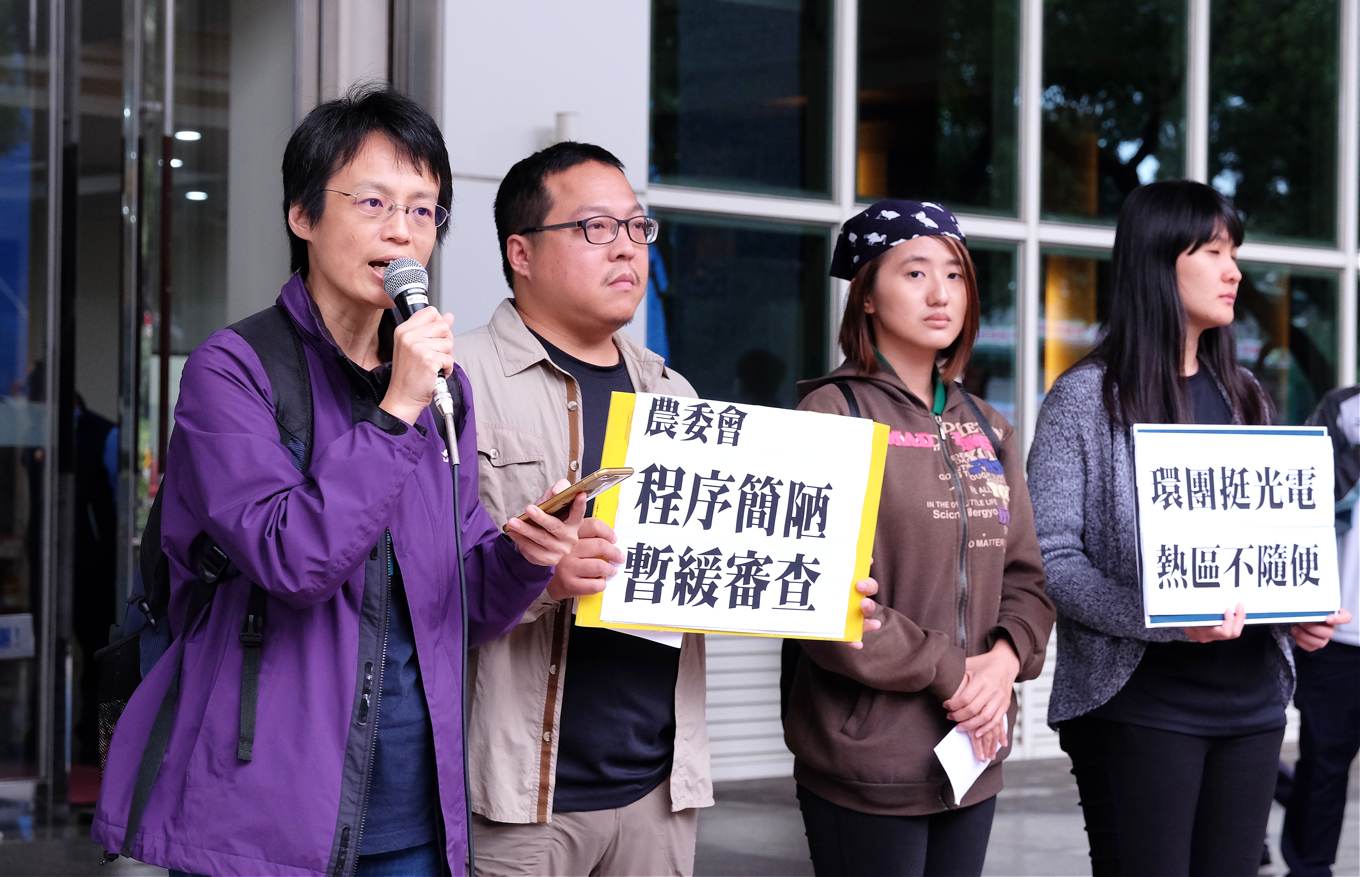
The Council of Agriculture held a review meeting yesterday (the 13th) for "aquaculture-fishery solar coexistence" projects, reviewing four sites in Beimen and Qigu, Tainan, in one session. However, civic groups held a press conference before the meeting, arguing that the areas where these sites are located overlap heavily with ecological hotspots for the black-faced spoonbill and various waterbirds. Without detailed inventories and a thorough "environmental and social audit" system, installing solar panels on fish ponds will raise social concerns. They therefore demanded that the Council of Agriculture suspend the review.
Nevertheless, the Council of Agriculture proceeded with the review meeting as originally scheduled. The results came out in the evening: the applicant, Taiyen Green Energy, must supplement and revise its materials according to the opinions raised by the review committee members before being reviewed again.
Tsai Hui-hsun, director of the Citizen of the Earth Foundation, said the current review method is "too crude" and cannot address ecological location issues. The Council of Agriculture had promised to revise it but has not done so, and should not have scheduled the review first. Wu Cheng-cheng, a specialist at the Green Citizens' Action Alliance, believes the current problem is that overall regulations and mechanisms are insufficient to resolve disputes, and a higher-level mechanism is needed to avoid development risks and incorporate local participation and communication.
Related Articles
- How to prevent and control rabies in dogs? Timely vaccination of puppies ensures safety
- How to Explore Keelung's Fishing Port Docks? Practical Tips for Picking Fresh Seafood
- The Slow Food movement advocates that how you eat matters more than what you eat, helping you eat your way to health
- How to Identify Inferior Cooking Oil? Key Points for Quality Control from Cultivation to Purchase
- Which agricultural activities require tax payment? The ranch court case clarifies the boundary of tax exemption
- Ractopamine, a lean meat agent, is banned; scientific pig farming to increase lean meat percentage is the right path
- Horizontal Windbreak Nets for Welsh Onion Cultivation in Winter Reduce Losses
- Top Ten Fungicides Ranking Released, a Useful Reference for Farmers Choosing Products