[311 * Minamisanriku 01] Octopus-kun turns "waste" into "Yes"! Disaster brings a chance for a paradigm shift: Iriyado and the YES Workshop
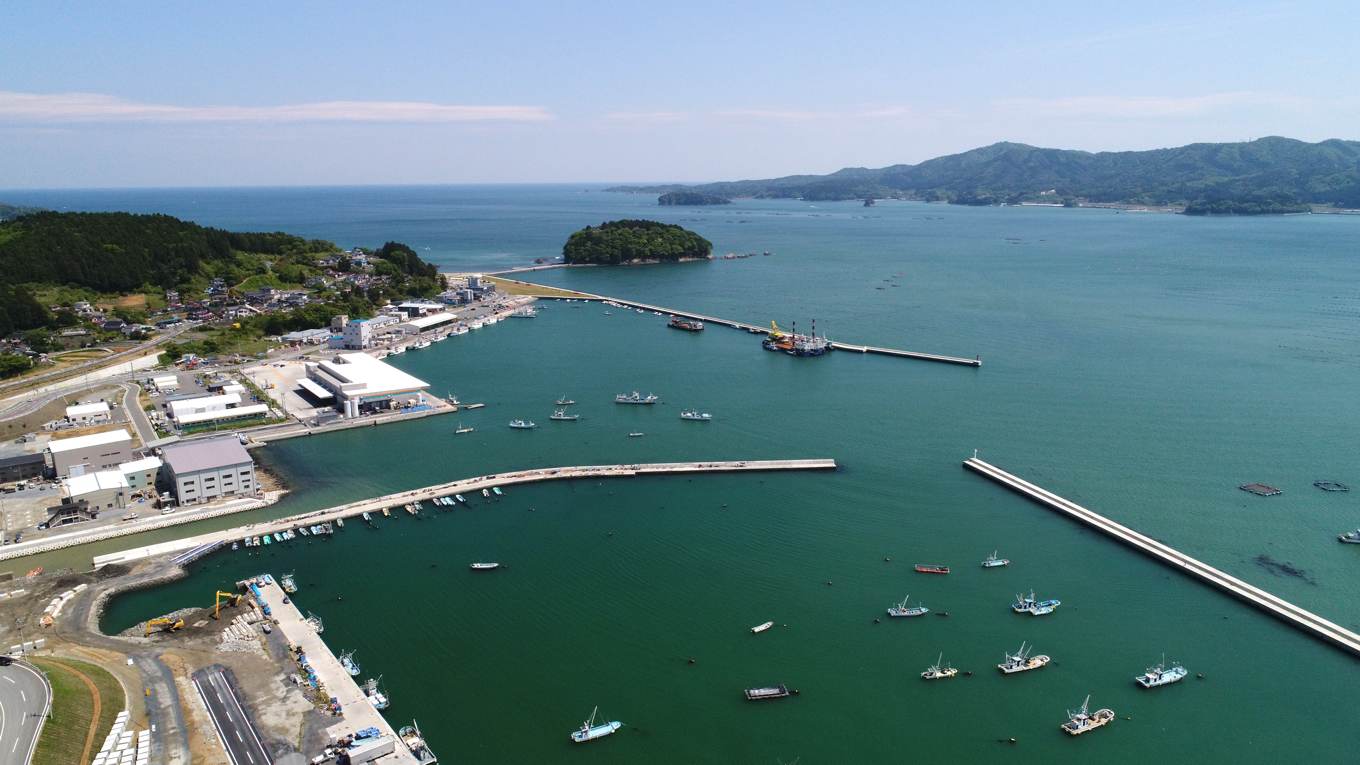
Minamisanriku Town in Miyagi Prefecture, Tohoku, Japan, was an area severely devastated by the tsunami during the 311 Tohoku earthquake and tsunami. The coastal Shizugawa area was almost leveled to flat ground. Nine years later, what kind of business landscape have the surviving locals, the people who decided to come here after the disaster to devote their lives, and those who came here for local revitalization, explored after going through local reconstruction? How can the region's rich seafood brought by the meeting of ocean currents, as well as the beautiful forest industry in the mountains, stand up again?
At the invitation of Mr. Yasuhiro Iwata, a food communicator active in the local area as a local collaborator, the author visited marine producers, community centers and workshops, private learning and development centers, public marine education institutions, reactivated abandoned spaces, and a wine project in the Minamisanriku area. Through a series of articles, I will share Minamisanriku's 9 years of reconstruction, interviews, and observations. This article is one in the series.
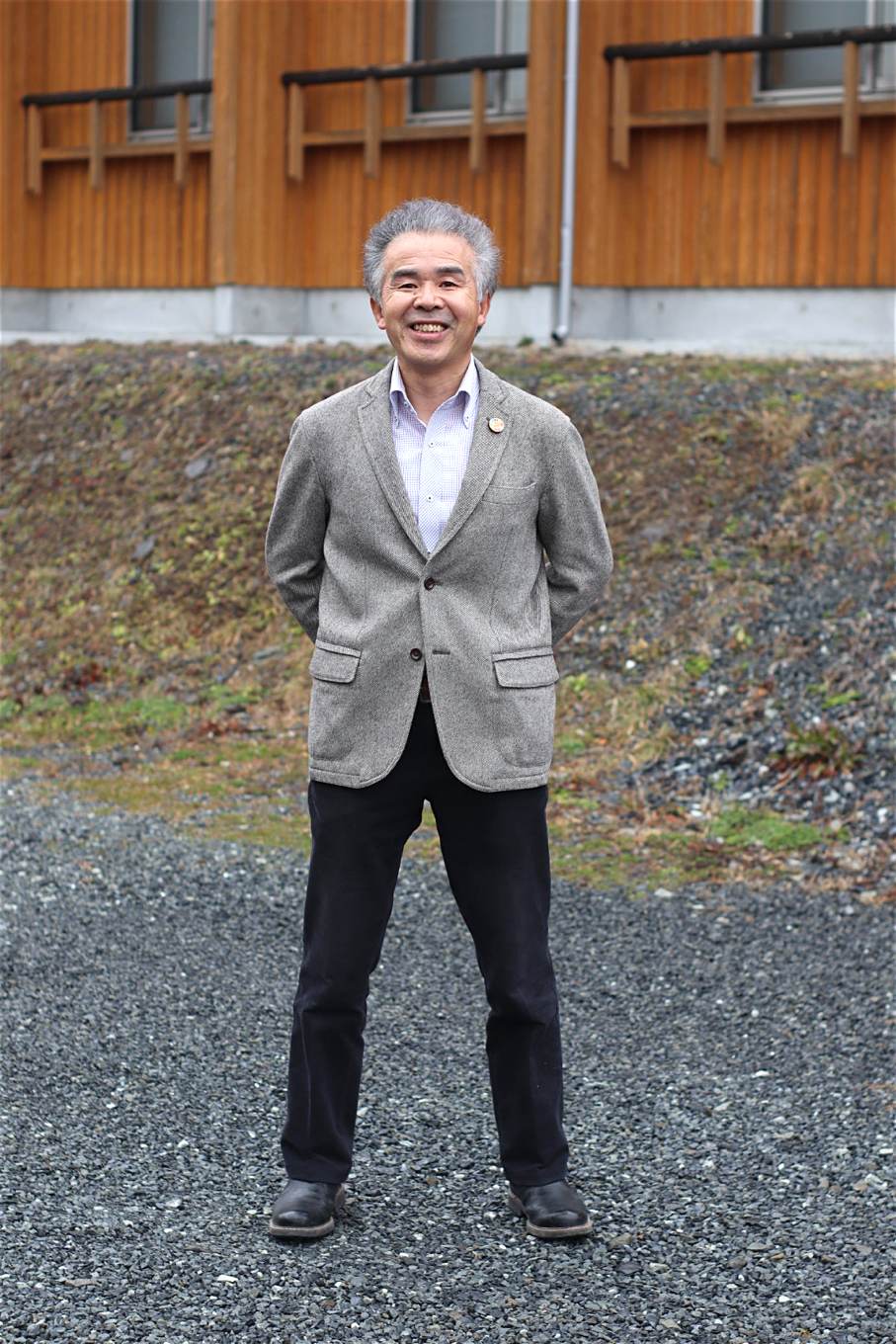
Making good use of the resources brought by disaster: Mr. Tadayoshi Abe
"Disaster brings a chance for a paradigm shift."
Standing in front of me, short in stature, with gray-white hair and full of energy, Tadayoshi Abe pulls out his business card and it is packed with titles: Director of the Minamisanriku Training Center, Director of the Minamisanriku YES Workshop, Secretary-General of the Minamisanriku Agro-Industrial Workshop, Secretary-General of the Minamisanriku Octopus Revival Association, and Director of the Minamisanriku Branch of Taisho University's Regional Design Research Institute. These titles illustrate the social network of a local person who survived the disaster and decided to devote himself to reconstruction work.
Mr. Abe, who originally worked in local government before the disaster, threw himself into local development work after the disaster, using his prior expertise in networking to organize resources, attempting, after a natural disaster opened a breach in what had been a closed local society, to prop open a possibility that could accommodate new ventures, new people, and new things.
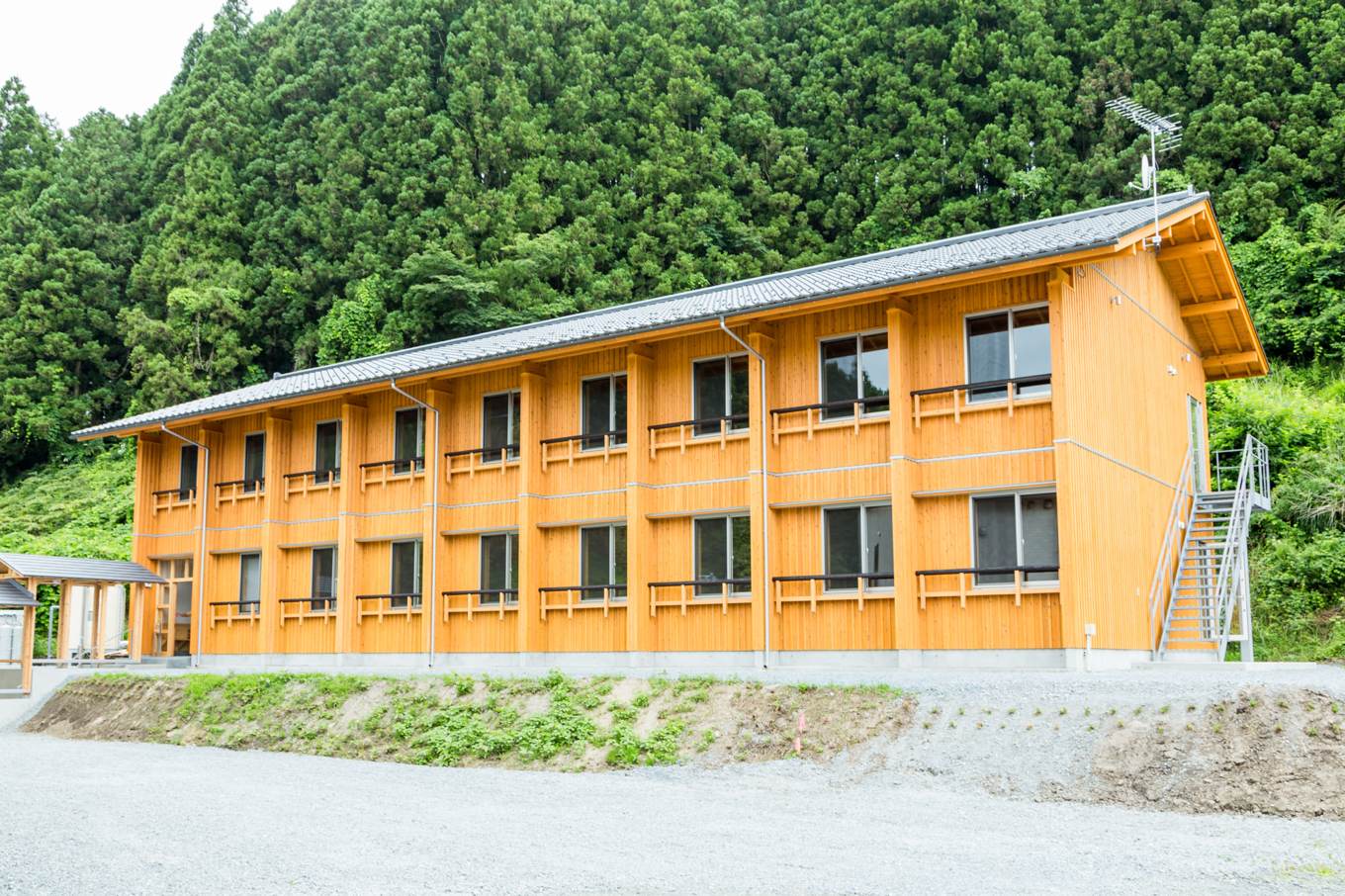
Iriyado is an inn and also a local training center
Mr. Abe's schedule seems to have no limits. From morning to night, day after day, he handles visits from all kinds of guests. When the appointed time arrives, he hurriedly gets up and rushes to the next appointment. He links resources and connects the local area with outside curiosity and goodwill, and thus Iriyado (Manabi no Sato Iriyado) and the YES Workshop were born.
Iriyado was established in 2013. With the support of Taisho University, which has a Buddhist background, this space was built. In addition to being an inn, it is also a local learning center. What Tadayoshi Abe initially wanted to operate was a shelter and a place for local people to interact.
But as post-disaster reconstruction progressed, the operational challenge became: "How can we make good use of and sustain the people, knowledge, technology, and money that came to the area because of the disaster?" To this, his answer was, "Let disaster bring the chance for a local paradigm shift."
Creating the mascot Octopus-kun, a new symbol to unite people
Located at the foot of Mount Babayama, the YES Workshop is a wooden historical building that was originally an abandoned unused elementary school, now operated by the Minamisanriku Revival Octopus Association. The round red Octopus-kun is a mascot created by Tadayoshi Abe in 2009. His inspiration came from Minamisanriku's seafood. The plump octopus is a highly representative item because of the octopus's feeding characteristics, coming from seaweed, abalone, and other bay products, it can be said to be the concentrated deliciousness of Shizugawa Bay.
Originally, this mascot simply explained the local delicious food and the characteristics of the local environment. After the tsunami came, volunteers who came to help discovered the remains of the first-generation Octopus-kun statue in the ruins of houses destroyed by the tsunami. It was then that Tadayoshi Abe had the idea to use Octopus-kun (Okutopasu-kun) as a new symbol to unite people.
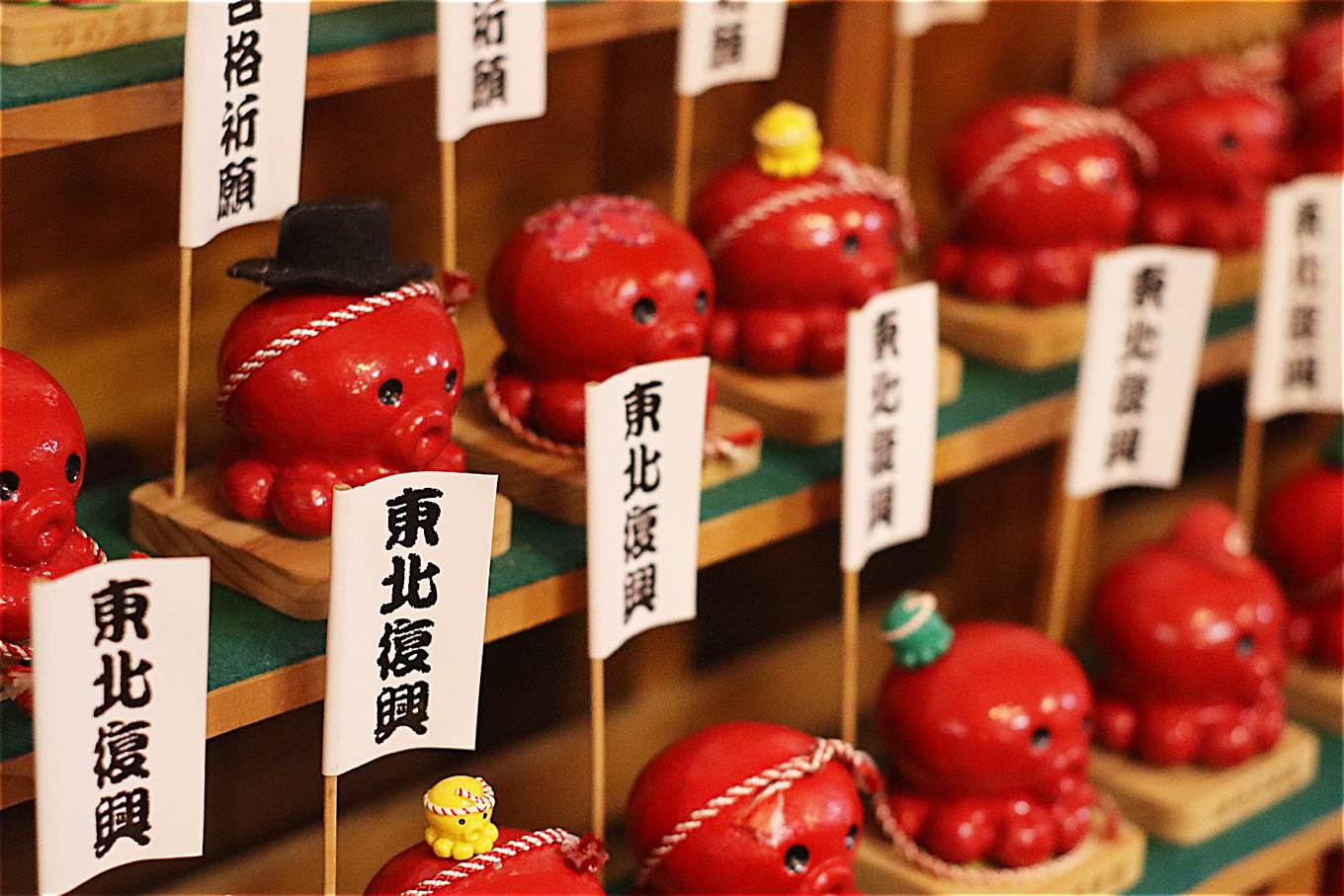
Commercializing a local representative mascot, connecting with outside consumers
Red represents festivity, and Octopus-kun sounds similar to "place—Pass," carrying the meaning of wishing for exam success and getting through all difficulties, so it was decided to develop a red cast-iron octopus paperweight as the main product. Iron from Toyama Prefecture in Hokuriku comes to Minamisanriku in Miyagi Prefecture, becoming each steadfast, auspicious octopus mascot.
An extra-large Octopus-kun stands alongside Iriya Hachiman Shrine under the shade of a clear, shallow grove. Tadayoshi Abe comes here to worship every day. After bowing respectfully and clapping in prayer, he hurries down the stairs again to introduce the YES Workshop to visitors.
When introducing it, Tadayoshi Abe mentions his various attempts and hopes, hoping that this red mascot's many functions, such as the exotic appeal that can attract out-of-town tourists and the All Pass function that can attract exam takers, will work. He also hopes this product has enough commercial competitiveness, attempting to push such local products onto e-commerce channels; for example, a series of products can be purchased on Amazon.
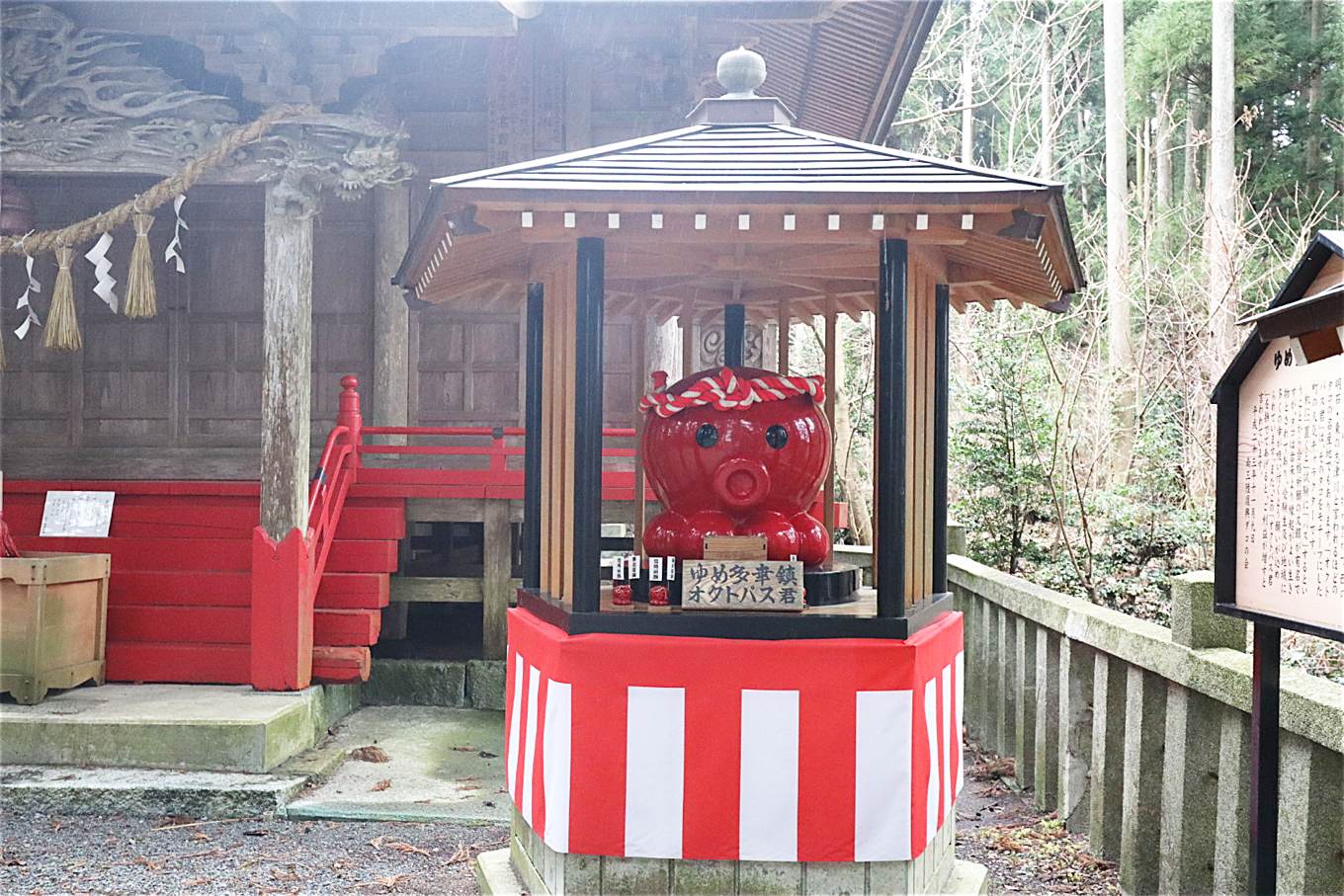
Making the workshop a window connecting to the world: YES Workshop
The "YES Workshop," which sells Octopus-kun and offers Octopus-kun DIY experiences, is another typical local revitalization story about space use. The YES Workshop got its name because this space was originally a "waste school" (abolished school). The character for "waste" (hai) in Japanese is pronounced similarly to "yes," that is, "YES" in English, hence the name.
This abandoned school building at the foot of the mountain is now operated by the Minamisanriku Revival Octopus Association and currently has 10 employees, ranging in age from 20-50. In addition to the exhibition and sales space for octopus mascots, it also attempts to include a display of "silkworm cocoon craft" that was once a local industry but has now declined, and a large woodworking workshop space.
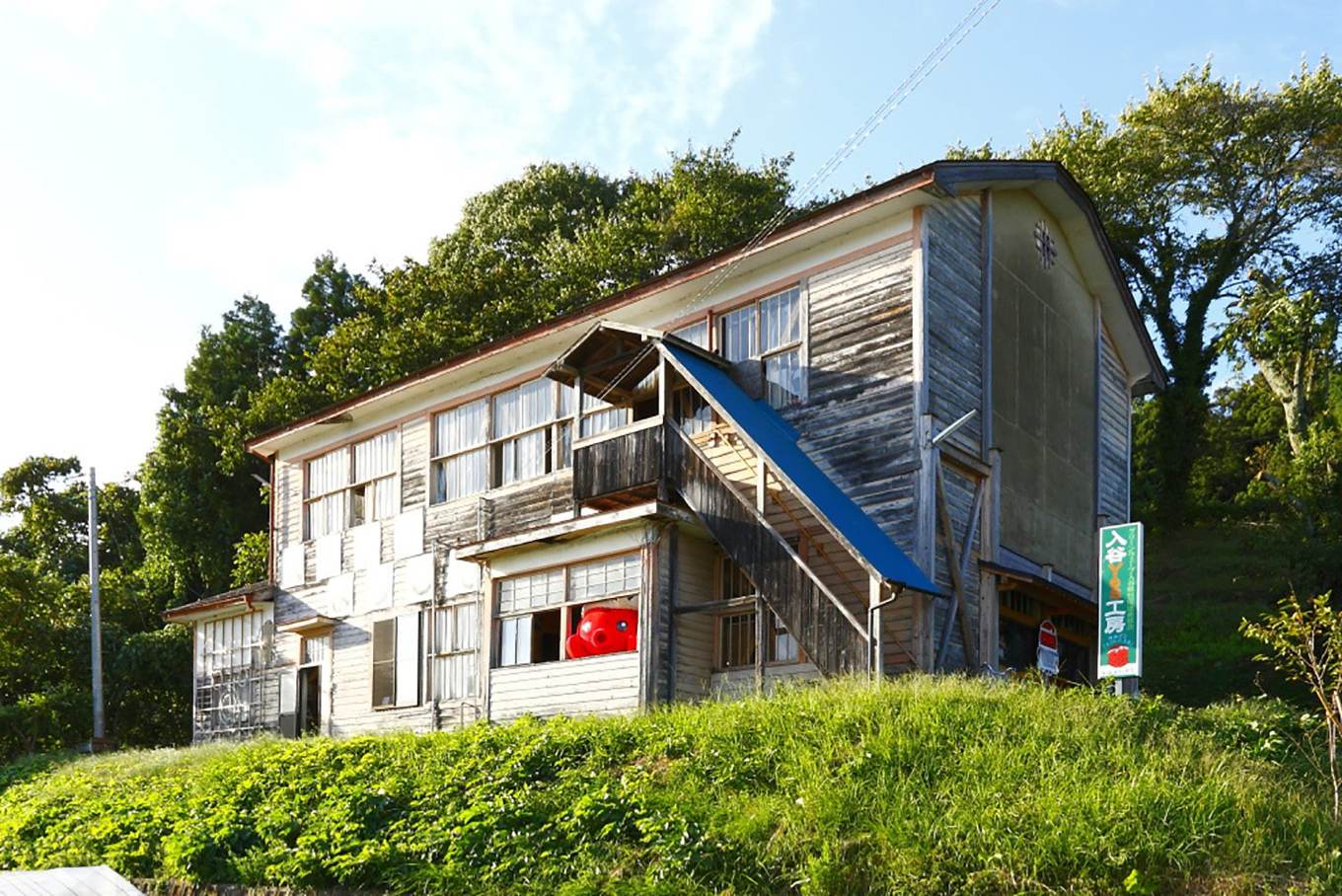
Using Minamisanriku's local sustainable timber as raw material to build a Fab Lab base
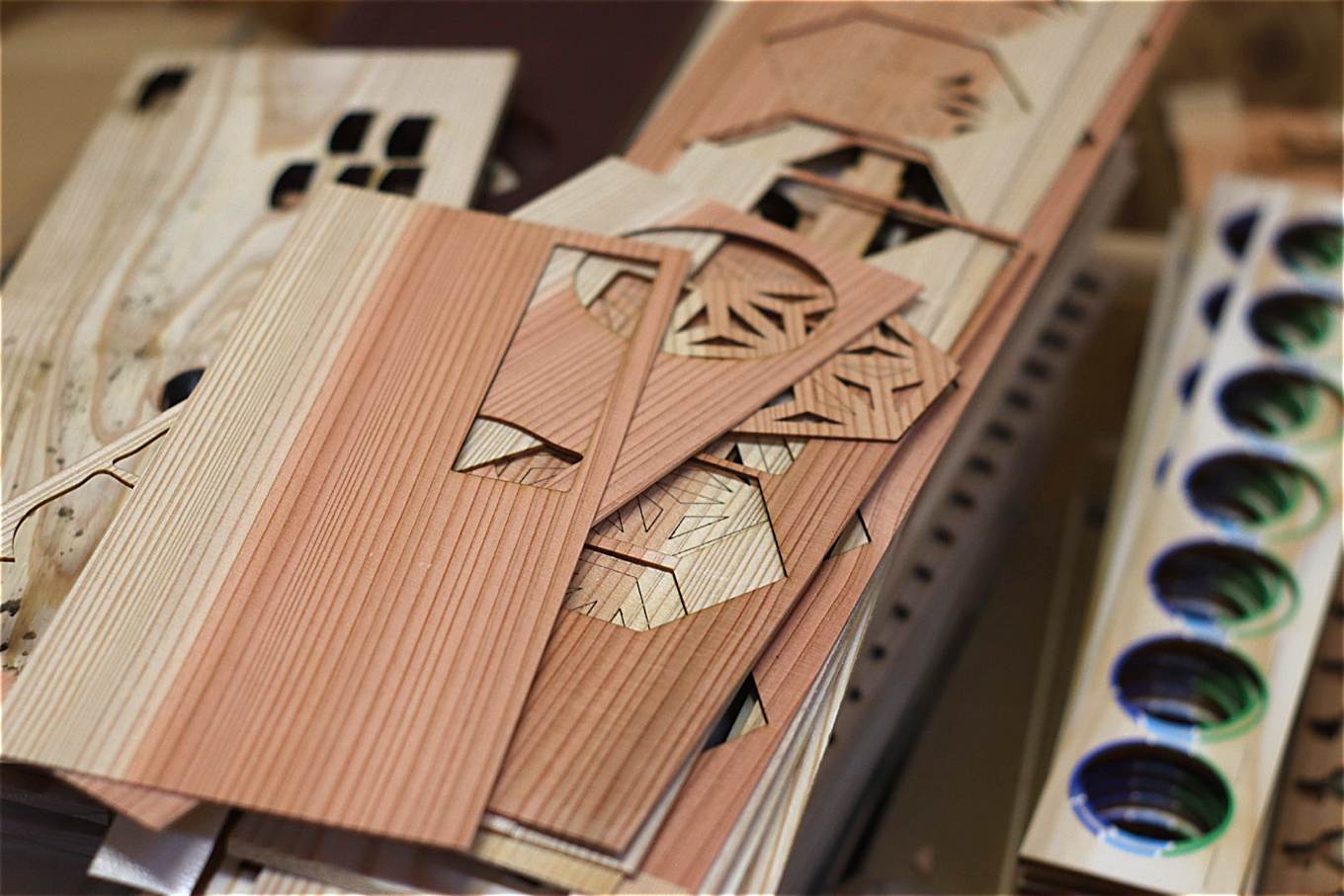
The concept of the woodworking workshop is to use the concept of a Fab Lab (Fabrication Laboratory) and sustainable forest materials to become a place where craft and creativity can be exchanged and happen.
Fab Lab believes that concepts and ideas can be shared. This workshop provides 3D printing, large and small woodworking equipment, uses local Minamisanriku timber and timber certified by the Forest Stewardship Council (FSC) to make interesting and practical works and products, forming a maker base that embraces new ventures.

Minamisanriku's FSC forest certification
Minamisanriku does not only have the ocean; when people look toward the ocean because of memories of the tsunami disaster, they often overlook that Minamisanriku also has mountains. After the disaster, the mountains became a support for residents of the coastal settlements. Although the town has been rebuilt, the original Shizugawa area hit by the tsunami can only have commercial buildings and cannot be lived in, so residents all live in other areas and in the mountain-adjacent zones.
Over 9 years, when thinking about the path of local development, residents, after years of discussion, reached a consensus on a "sustainable local area." Thus, in October 2015, Minamisanriku Town's "Minamisanriku Forest Management Council" and "Maruhei Lumber Co., Ltd." obtained FSC (FM) and (COC) international certification, taking a considerable step forward for forestry managed and developed sustainably.
The evaluation method of FSC forest management certification mainly comes from two aspects: Forest Management verification (Forest Management, FM) and Chain of Custody verification (Chain of custody, CoC). It evaluates the management and supply chain of natural forests and planted forests, as well as related manufacturing and supplying companies, so that wood products can also have traceable production sources.
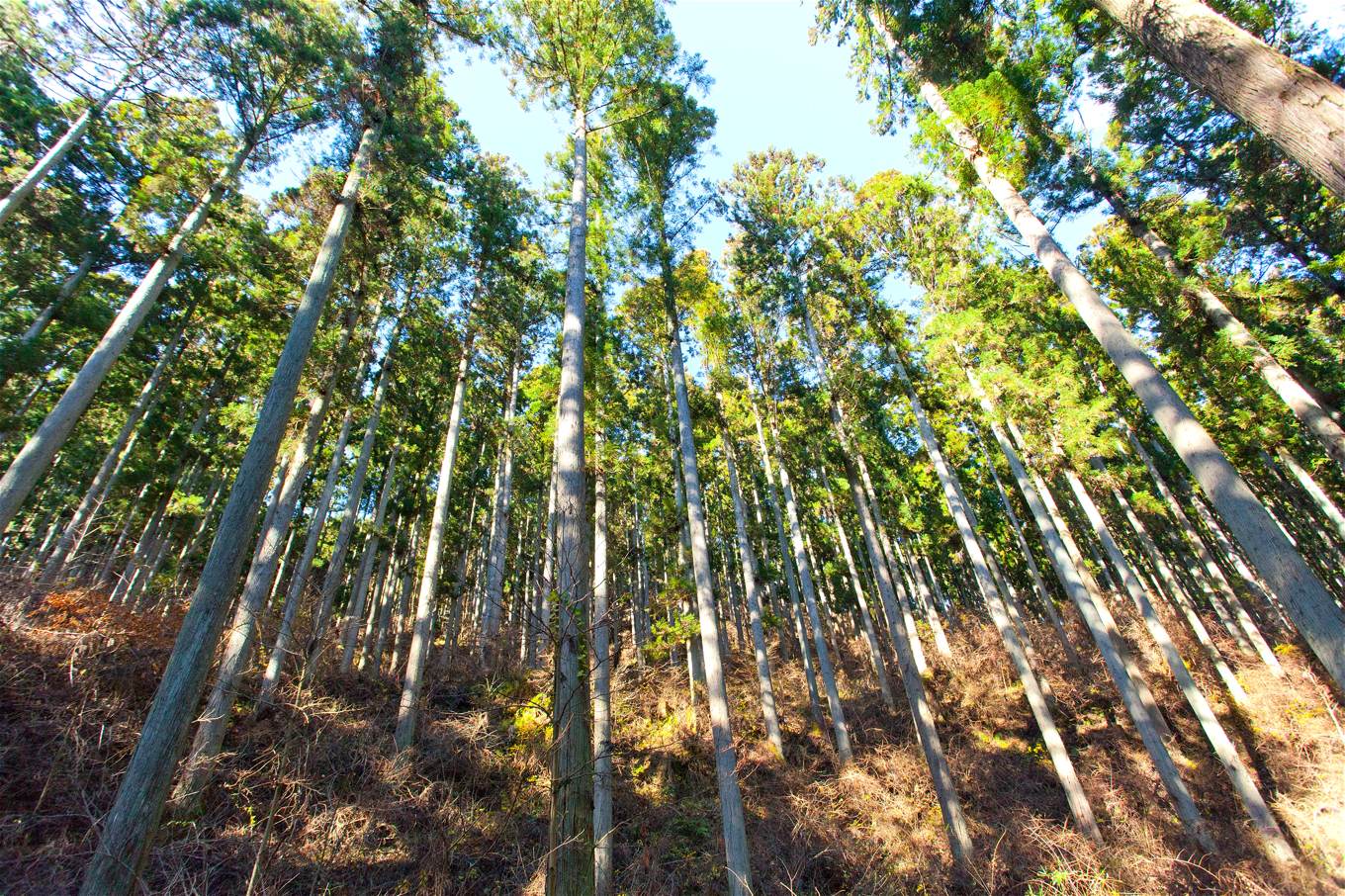
Having FSC-certified forest means that the forest's ecology, water quality, wildlife habitat, and the needs of local communities must all be sustainable economically and in management, and must undergo regular monitoring and assessment. Today, Minamisanriku's FSC-certified timber is recognized by national institutions. Even for the 2020 Tokyo Olympics, the New National Stadium designed by Kengo Kuma used FSC-certified wood materials from Minamisanriku.
Inside the YES Workshop, an open attitude is also maintained, encouraging participating members to realize all kinds of creative ideas with Minamisanriku's local sustainable timber.