How should ornamental garden flowers be cared for so they can safely overwinter?
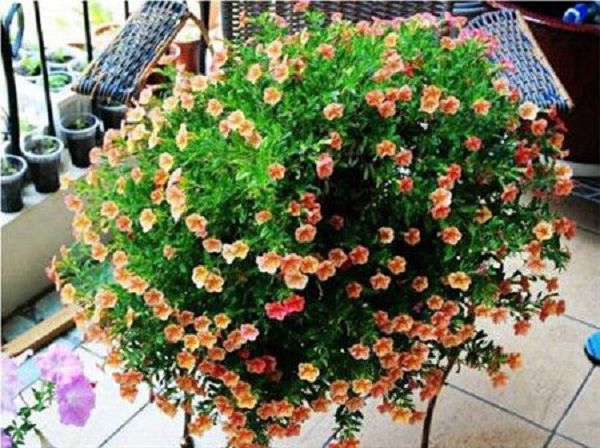
Water and fertilizer adjustment: after autumn begins, reduce nitrogen fertilizer, increase phosphorus fertilizer, gradually lower watering frequency and amount, and once the plants enter dormancy, turn the soil over well. Mulching method: cover the ground around the roots with some leaves, plastic film and other insulating materials, which can effectively ease frostbite and freeze damage; by May of the following year the covering can be removed. Mounding soil: before winter arrives, mound soil around the roots of the flowers, covering the surroundings with a thicker layer of soil for insulation.
Fertilizer and water management
After autumn begins, the weather starts to turn cool. At this point the flowers have entered the late stage of growth, so it is necessary to reduce fertilizers with a relatively high nitrogen content and increase the use of organic fertilizer with a relatively high phosphorus content, which can promote root growth. Gradually lower the frequency and amount of watering to strengthen the roots' cold resistance. Once the plants enter dormancy, the soil can be turned over well, and then combined with the use of organic fertilizer to raise the nutrient content of the soil and help the flowers improve their ability to resist the cold.
Overwintering by the mulching method
Many flowers planted in courtyards are easily harmed in winter, with peonies, tulips and the like being especially severely affected. Before the cold wave arrives, cover the ground around the roots of these flowers with some leaves, plastic film and other insulating materials, which can effectively ease frostbite and freeze damage; by May of the following year the covering can be removed.
Mounding soil management
Before winter arrives, mound soil around the roots of the flowers, covering the surroundings with a thicker layer of soil for insulation. When the flowers begin to grow in early spring, dig this soil away, and water and fertilize appropriately so they grow normally.
Wrapping management
Some flowers are relatively large and cannot be managed by ordinary methods. In this case, they can be covered with straw curtains or plastic film, then tied securely with string. Some flowers are also easily affected by cold wind; in this case, a windbreak can be built near them, with tarpaulin or straw mats shielding them on all sides. This method can effectively resist the cold air and help the plants overwinter successfully.