Detailed Guide to Cultivation Methods and Growing Conditions for Various Flowers and Potted Landscape Plants
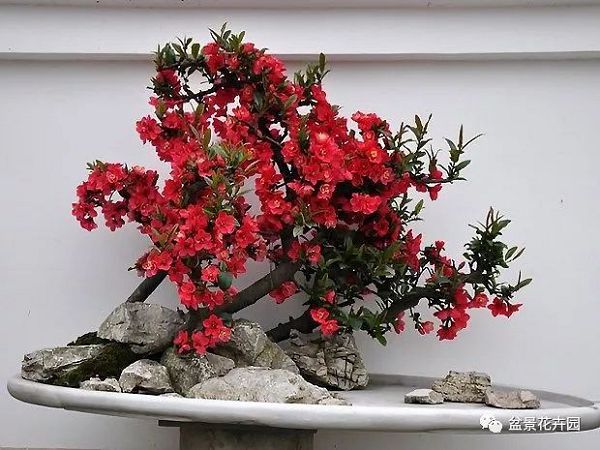
In the cultivation of flowers and potted landscape plants, flowering can be promoted or controlled by artificially adjusting environmental conditions, so that flowers bloom at the desired time. Blooming earlier than the natural flowering period is called forcing cultivation, while blooming later than the natural flowering period is called retarding cultivation.
Increasing temperature to make plants bloom earlier. For woody flowers that go dormant in winter, such as ornamental peach, plum blossom, elm-leaved spirea, crabapple, and tree peony, after passing through the winter low-temperature stage, they only need another 10 to 50 days of high-temperature treatment to be prompted to bloom during the Spring Festival. Some perennial flowers and autumn-sown herbaceous flowers can also bloom earlier if placed in a greenhouse before winter sets in. The heating time needs to be determined according to the scheduled flowering period and the plant's own habits. For example, if plum blossom and azalea are required to bloom during the Spring Festival, after being moved into a greenhouse at 20-25°C, plum blossom needs 10 days to bloom, while azalea needs 40-50 days.
Slowing growth to delay flowering. For flower and potted landscape plants in bud, such as chrysanthemum and cineraria, treatment with low temperature and weak light can inhibit their metabolism and delay the flowering period.
Advancing dormancy to make plants bloom earlier. If tree peony, Chinese peony, cherry blossom, yellow rose, and lilac are to bloom during the Spring Festival, they need to be moved into cold storage two months before the Spring Festival for low-temperature treatment for 2 weeks to prompt early dormancy, and then gradually moved into a greenhouse to make them sprout and bloom earlier.
Long-day treatment. To enable some long-day flower and potted landscape plants to bloom in winter as well, the goal of promoting flowering can be achieved by supplementing light at night and increasing temperature. The light duration is generally more than 16 hours, as with gladiolus. Long-day treatment can also inhibit the flowering of short-day flowers. For example, for late chrysanthemums in mid-September, treating them with a 40-watt fluorescent lamp for 6 hours daily at a room temperature of 20°C can delay flowering until New Year's Day.
Short-day treatment. For short-day flower and potted landscape plants, such as poinsettia and bougainvillea, shading with black cloth or black paper to reduce light duration and prolong the dark period can prompt them to bloom earlier. For example, if they are to bloom on National Day, shading can begin in early August, and when the daily light period is shortened to 8-10 hours, they can bloom.
Reversing day and night to change flowering habits. Epiphyllum originally blooms at night. Select a robust epiphyllum plant with flower buds, move it into a dark room when the buds are 10 cm long, and treat it with a 60-watt fluorescent lamp from 7 p.m. to 6 a.m. the next morning for 4-5 days, which can make epiphyllum bloom during the day.
Hormone treatment. The use of certain growth hormones can prompt flower and potted landscape plants to bloom earlier and can also delay the flowering period. For example, gibberellin can break dormancy and stimulate growth, while naphthalene acetic acid and similar substances can inhibit flowering.