How do you grow soilless potted flowers? Master these care essentials
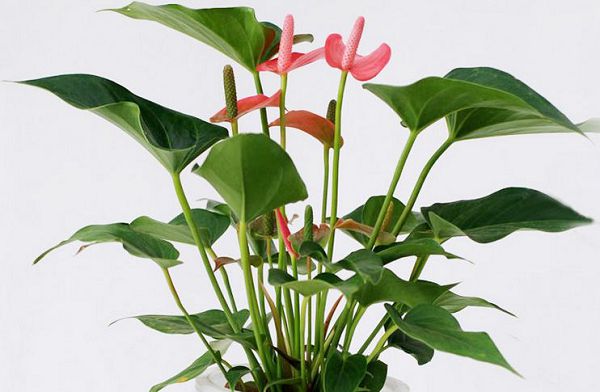
Soilless cultivation can make plants grow quickly and vigorously, bloom more and earlier, larger and more fragrant, and be cold-resistant and heat-tolerant with fewer pests and diseases.
Flowers that are generally easier to cultivate include: Monstera deliciosa, Aglaia odorata, Clivia miniata, camellia, Chinese rose, jasmine, azalea, kumquat, lucky bamboo, violet, Phalaenopsis, fuchsia, five-needle pine, banana shrub, rubber fig, Brazilian iron, begonias, ferns, palms and others.
Potted flowers can be converted from soil cultivation to soilless cultivation in any season. The specific steps are as follows.
1. Prepare the nutrient solution
Dilute the soilless cultivation nutrient solution sold on the market with water at the specified multiple. You can also make your own nutrient solution with the following formula.
1. Macronutrients
Potassium nitrate and magnesium sulfate 3 grams each, calcium nitrate 5 grams, ammonium phosphate 2 grams, potassium sulfate and monopotassium phosphate 1 gram each.
2. Micronutrients
Disodium EDTA 0.1 grams, ferrous sulfate 75 milligrams, boric acid 30 milligrams, manganese sulfate 20 milligrams, zinc sulfate 5 milligrams, copper sulfate 1 milligram, ammonium molybdate 2 milligrams.
3. Tap water 5 kilograms
Dissolve the macronutrients and micronutrients separately into solutions, then mix them together to make the nutrient solution. The amount of micronutrients used is very small and difficult to weigh, so you can prepare it at a larger multiple and then reduce the amount taken by the same multiple. For example, you can weigh the micronutrients at 100 times the amount to make a solution, then take 1% of that solution, which is the required amount. The nutrient solution is non-toxic, odorless, clean and hygienic, and can be stored for a long time.
2. Remove from the pot
Use your fingers to push the root system together with the soil out through the hole at the bottom of the pot.
3. Wash the roots
Soak the soil-covered root system in water close to the ambient temperature, and wash the soil from around the roots.
4. Soak in solution
Soak the washed roots in the prepared nutrient solution for 10 minutes so they fully absorb nutrients.
5. Potting and pouring in the solution
Wash the flower pot, place a tile or plug plastic gauze at the hole at the bottom of the pot, then put a little perlite and vermiculite into the pot. Next, place the plant into the pot and hold it upright, and fill the area around the root system with lightweight minerals such as perlite and vermiculite. Shake the pot gently so the minerals fit closely around the roots. Then pour in the prepared nutrient solution until liquid flows out from the hole at the bottom of the pot.
6. Stabilize the root system
Place pieces of fluorite, axe-split stone and similar fragments on top of the root system to stabilize the roots and prevent lodging. At the same time, spray some clean water on the leaves.
7. Daily management
For soilless cultivated flower bonsai, the requirements for light, temperature and other conditions are no different from soil cultivation. During the growing period, water the plants with nutrient solution once a week, with the amount depending on the size of the plant; for flowers whose leaves grow slowly, reduce the amount as appropriate; in winter or during the dormant period, apply once every 15-30 days. Indoor foliage plants can survive under low light conditions, so the amount of nutrient solution should be reduced, and the nutrient solution can also be used for foliar spraying. Usually, pay attention to watering at the right time.