How to keep northern flowers moisturized after winter heating
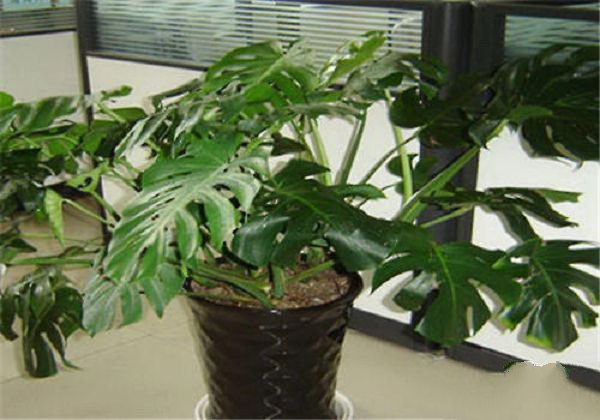
In the northern regions of our country, there is heating in winter. At this time, if potted flowers are placed indoors for cultivation, it is very easy to cause dry leaves, or even yellowing. So how should this situation be handled?
Monstera deliciosa
For some time after heating began, the ornamental plants kept at home all showed varying degrees of dry yellow leaves. Some had entire leaves dry up, and some had leaf edges dry up. What causes all this?
This is mainly caused by the indoor air humidity dropping too low and becoming too dry after heating. Among the environmental factors for plant growth, air humidity plays a very large role. Many household flowers and trees like moist air and require air humidity above 70%, and tropical plants such as tropical orchids with "aerial roots" need even higher air humidity. With heating on, indoor humidity is generally around 40%, far from meeting the plants' environmental needs. In dry air, Phalaenopsis, Cymbidium, Belgian azaleas and others cannot grow normally. When the air is dry, the water in flowers and trees transpires in large amounts, and the speed of water absorption by the roots is lower than the speed of water loss through transpiration, causing water imbalance in the flowers and trees, which leads to scorched leaves and leaf drop.
Common household flowers and trees that like moisture include: Monstera deliciosa, Cymbidium ensifolium, Phalaenopsis, Cymbidium, Paphiopedilum, Paphiopedilum, Vanda, Dendrobium, Cattleya, Cordyline, spider plant, bromeliads, Tillandsia, Anthurium, Chamaedorea elegans, begonia, Calathea makoyana, Calathea roseopicta, Calathea orbifolia, red gem, green gem, Aspidistra, Asparagus fern, Croton, Cyperus alternifolius, Rohdea japonica, pothos, Ficus benjamina, etc. At this time, the correct care method is: frequently spray water on the leaf surfaces and the surrounding ground or use a humidifier to increase air humidity, but when spraying water, avoid making the potting soil too wet to prevent root rot. Methods such as spraying and washing the branches and leaves or covering the potting soil with plastic film can also be used to increase humidity.
Flower enthusiasts can appropriately increase air humidity according to the plants' habits, so that the plants can safely overwinter.