Which Flowers Should Not Be Given Compound Fertilizer? A Detailed Explanation of Fertilization Taboos
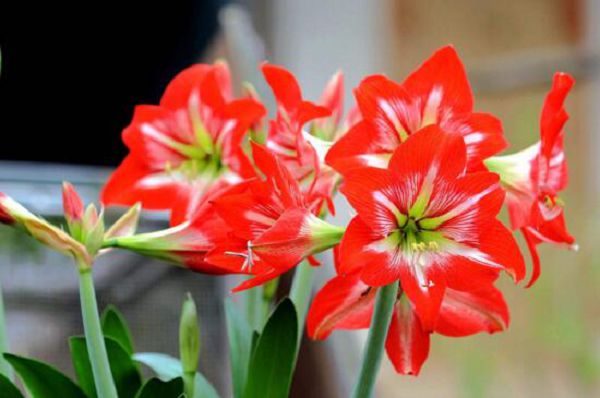
Compound fertilizer is a slightly alkaline fertilizer, so flowers that prefer acidic soil cannot use it, such as Anthurium, Hippeastrum, Zephyranthes candida, glass begonia, Peperomia, Zephyranthes candida, Zephyranthes carinata, Cymbidium goeringii, peace lily, and gloxinia; among them, Hippeastrum has very strict soil requirements. If compound fertilizer is used, the leaves will turn black and yellow, thereby affecting the overall ornamental value.
1. Anthurium
Compound fertilizer is a slightly alkaline fertilizer, so flowers that like to grow in acidic soil should not use compound fertilizer, such as the common Anthurium. Anthurium can only grow in acidic soil. If the alkaline compound fertilizer is used, the plant will die.
2. Hippeastrum
Hippeastrum is also an acid-loving plant and cannot use compound fertilizer, otherwise its leaves will turn black and yellow, affecting the overall ornamental value; a neutral water-soluble fertilizer can be used, which not only has comprehensive nutrients but is also easy for Hippeastrum to absorb; when fertilizing, using ferrous sulfate solution together can make the Hippeastrum flowers even more beautiful.
3. Zephyranthes candida
Zephyranthes candida is an Amaryllidaceae plant that likes to grow in cool, moist, slightly acidic soil, so it is not recommended to use compound fertilizer when fertilizing; instead, decomposed liquid fertilizer can be used. This fertilizer is suitable for acid-loving flowers and can help the plant grow better.
4. Glass Begonia
Glass begonia is not suitable for compound fertilizer because it does not have a high demand for fertilizer and water. During the plant's growing period, diluted water-soluble fertilizer is generally used; in winter when the weather is wet and cold, the root absorption capacity of glass begonia is not strong, so fertilizer is not recommended.
5. Peperomia
The overall color of Peperomia is dark green, and the leaves have clear veins; if compound fertilizer is used, it will affect the growth of the plant's root system and prevent it from absorbing nutrients from the fertilizer. The leaves of Peperomia will also fall off because there is no nutrient supply.
6. Zephyranthes candida
The leaves of Zephyranthes candida are pure white, and the center of the flower is a light pale yellow, usually growing in clusters; using compound fertilizer will not only harm Zephyranthes candida but also increase the cost of fertilizer use; Zephyranthes candida is a flower that can grow without fertilizer, and it only needs the soil to remain moist.
7. Zephyranthes carinata
The flowers of Zephyranthes carinata are light pink and like to survive in breathable, slightly acidic soil, so it is not suitable to use compound fertilizer; moreover, Zephyranthes carinata is a plant that likes single fertilizer elements. Too many trace elements in compound fertilizer cannot be absorbed by Zephyranthes carinata and will only increase the burden on the root system.
8. Cymbidium goeringii
The flowering period of Cymbidium goeringii is generally in June. If compound fertilizer is used, it will delay the flowering time of Cymbidium goeringii; when fertilizing Cymbidium goeringii, a single fertilizer can be chosen, such as decomposed liquid nitrogen fertilizer, which can not only make the plant grow more vigorously but also reduce damage to the root system.
9. Peace Lily
The leaves of the peace lily are pure white and flawless, and the spadix stands upright in a rod shape; if compound fertilizer is used, small black spots will appear on the leaves, and the leaf edges will also slowly turn yellow; therefore, compound fertilizer should not be used for the peace lily, and a water-soluble fertilizer with low fertilizer burn can be used.
10. Gloxinia
Gloxinia is a flower native to Brazil and likes to grow in hot environments. Generally, fertilizer is not suitable during care, so using compound fertilizer on gloxinia will only cause fertilizer to accumulate in the soil, causing the plant's root system to be unable to absorb water and die.