How to identify whether a flower is sun-loving or shade-loving
Methods for identifying sun-loving versus shade-loving flowers: ① Identify by leaf shape. Plants with needle-like leaves, such as larch, five-needle pine, and cedar, are sun-loving plants; plants with flat or scale-like leaves, such as Buddhist pine, Chinese incense cedar, and Chinese arborvitae, are slightly shade-loving plants; most deciduous broadleaf flowering trees and shrubs are sun-loving flowering plants, such as Chinese rose, pomegranate, chrysanthemum, four o'clock flower, and Japanese apricot; most evergreen broadleaf flowering plants are semi-sun-loving or shade-loving flowers, such as split-leaf philodendron, crabapple, Japanese fatsia, lucky bamboo, and camellia.
② Identify by the density of branches and leaves. Plants with small and relatively dense branches and leaves are mostly shade-loving flowers, such as asparagus fern, heavenly bamboo, maidenhair fern, and Japanese maple; most flowers with relatively sparse and spreading branches and leaves are sun-loving flowers, such as jasmine, petunia, oleander, and poinsettia.
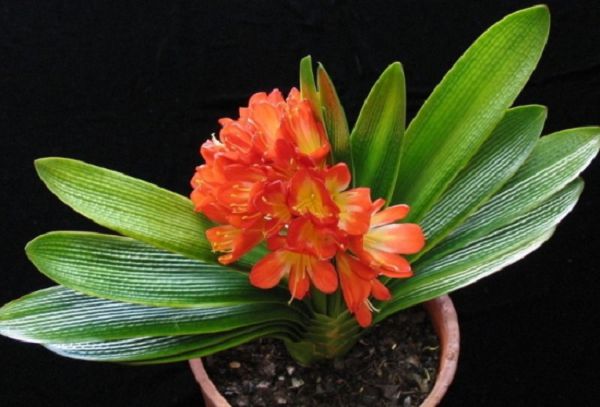
③ Identify by the leathery texture of the leaf surface. Those with relatively thick, leathery leaves are mostly shade-loving flowers, such as clivia, cast-iron plant, and rubber tree; those with thin and relatively pale leaves are mostly sun-loving flowers, such as poinsettia, jasmine, wintersweet, and Chinese hibiscus.