A Detailed Guide to Winter Fertilizing Methods for Indoor Flowers
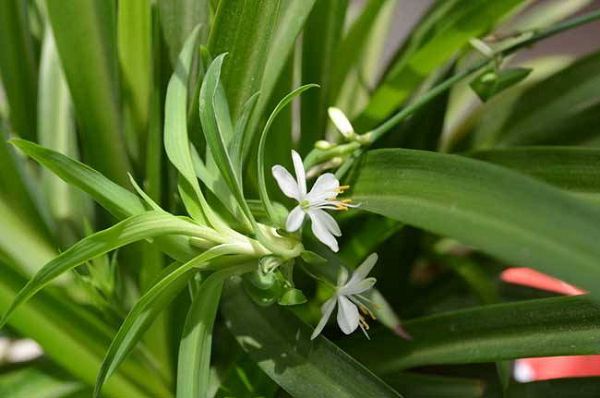
In winter, many people still keep flowers indoors, but everyone worries about one question: do these flowers need fertilizing, and how should it be done?
Dormant Flowers Must Not Be Fertilized
When growing flowers indoors, some flowers enter dormancy in winter, and at this time topdressing is generally needed.
There are quite a few plants that go dormant in winter, such as pomegranate, cactus, crabapple, hydrangea, and Aglaia odorata, among others; all of these go dormant in winter. At this time they must not be fertilized. However, in winter you can repot these plants, and at that time you can apply enough base fertilizer all at once, so they will bloom better the following year.
Methods for Fertilizing Indoor Flowers in Winter
1. Foliage Plants
For foliage plants in winter, you can apply some compound fertilizer as well as ferrous sulfate. This generally applies to indoor foliage flowers such as Monstera deliciosa and Asparagus fern. It supplies elements like nitrogen, phosphorus, and potassium, as well as other elements such as iron.
2. Flowering Plants
In winter, some flowering plants need fertilizing, because some flowers still bloom at this time, such as cyclamen, camellia, plum blossom, and cineraria.
At this time, phosphorus and potassium fertilizer is generally used for the flowers to promote blooming and make the flowers larger and more brightly colored. Using potassium fertilizer can also boost the flowers' cold resistance.
In addition, in winter there are also fruit-bearing potted plants, and attention should be paid to applying more phosphorus fertilizer, such as kumquat and Buddha's hand. Because they are bearing fruit, they consume a large amount of nutrients, and in order to bloom and fruit next year, they need to maintain nutrients in winter. But note that you should not fertilize too much at this time.