The Role and Mechanism of Potassium Permanganate in Bonsai and Flowers
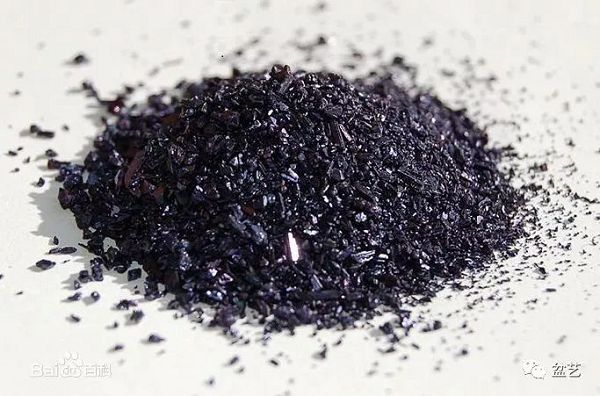
Potassium permanganate is a strong redox agent. In medicine, it is a surgical drug commonly used for both humans and livestock, commonly known as PP powder, and its solution has strong bactericidal, disinfecting and antiseptic effects. Tests have proven that using its solutions at different concentrations to prevent and control various diseases of flowers and bonsai at the seedling stage, such as damping-off, stem rot, downy mildew, soft rot, fusarium wilt, root rot and viral diseases, produces very significant results. At the same time, it contains two nutrient elements essential to plants, manganese and potassium, and can promote plant growth, so it can be described as serving both as medicine and fertilizer. According to medical experts, this drug is rich in sources, low in cost, sold in pharmacies everywhere, easy to purchase, and when used it is safe and non-toxic to humans and livestock, leaves no residue in crops, causes no phytotoxicity, and causes no pollution to the environment.
Soil disinfection: Before sowing, after the seedbed soil has been prepared, spray it with a 400 to 600 times dilution of potassium permanganate solution, then cover it sealed with plastic film and expose it to the sun for about 1 week, after which the film can be removed for sowing or cutting propagation. For bonsai and flowers, the prepared nutrient soil can be sprayed with potassium permanganate solution and sealed with film for a period before use. This can effectively prevent the occurrence of stem rot, stem blight, damping-off and root rot.
Seed and seedling disinfection: Soak seeds in a 0.1% potassium permanganate solution for 2 hours, or use it to disinfect seedlings, to prevent soft rot, downy mildew and root and stem diseases.
Control during the growth period: After flower seeds have sprouted and emerged, spray the seedlings with an 800 to 1000 times dilution of potassium permanganate solution, once every 7 to 10 days, for 3 to 4 consecutive times. This can prevent and control damping-off at the seedling stage of flowers such as petunia, salvia and marigold, with better results than conventional pesticides. From the seedling stage to the flowering stage, spray with a 600 to 800 times dilution of potassium permanganate, once every 5 to 7 days, for 3 to 4 consecutive times, which can effectively prevent and control soft rot and downy mildew. The potassium permanganate solution at the above concentration can also be poured onto the roots to prevent and control root rot. At the initial stage of viral disease occurrence in flowers and bonsai, spray with a 600 to 800 times dilution of potassium permanganate, once every 5 to 7 days, for 3 to 4 consecutive times, or spray with a 1000 times dilution made by mixing equal amounts of potassium permanganate and the double-effect growth promoter Virus K, which has a significant effect on preventing and controlling viral diseases.
Notes on using potassium permanganate for flowers: Because potassium permanganate is a strong oxidant and readily undergoes reduction reactions with organic matter, it loses its bactericidal effectiveness. Therefore, when using it, avoid stagnant water, sewage or hot water, and make sure to prepare it and use it immediately.
At the same time, prevent mixing it with strongly alkaline pesticides. Therefore, potassium permanganate is a rare fungicide that serves both as medicine and fertilizer, and is non-toxic, residue-free and pollution-free for vegetables and flowers.