Fertilizing Tips for Four Popular Flowers: Master the Key Points for More Vigorous Blooms
While browsing a gardening forum, I came across all kinds of gardening masters who keep their plants looking vibrant and thriving, the envy of everyone around. Then I looked at my own plants... it was simply too painful to behold. I could not help but ask myself: we are all growing flowers, so why do they do it so well? After asking around for advice, the main reason turned out to be that they fertilize properly. Today I have prepared this for you, so you too can grow stunningly beautiful flowers.
I. Money Tree (Pachira aquatica)
The money tree grows vigorously and rapidly, so it needs fairly ample fertilizer. After potting and sprouting, spray a liquid fertilizer containing the three key elements (nitrogen, phosphorus and potassium) once a week, and additionally apply an organic fertilizer or a phosphorus-potassium fertilizer to the soil once a month. Fertilizing precautions for the money tree: during the peak growing season, avoid applying nitrogen fertilizer alone, lest the plant grow leggy. Phosphorus and potassium fertilizers should be applied in a balanced way to promote a sturdy plant, keep the leaves emerald green, and enhance its ornamental effect.
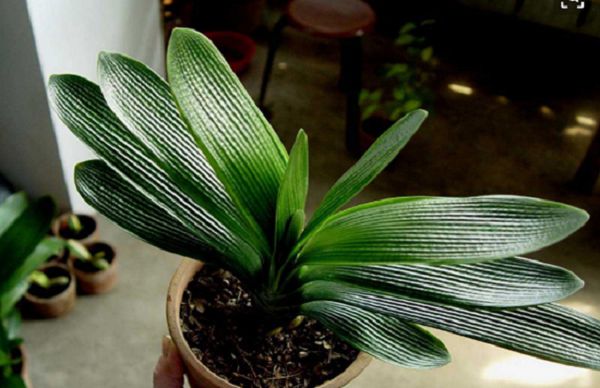
II. Clivia (Clivia miniata)
During the growing season, apply liquid fertilizer once every half month. In midsummer, when the weather is hot, fertilizing easily causes root rot, so stop fertilizing. But be sure to keep the air circulating. Applying phosphorus fertilizer before flowering can promote abundant blooms with vivid colors. Little tips for fertilizing clivia: in spring and winter, phosphorus and potassium fertilizers are preferable, such as fish meal, bone meal and hemp seed cake; in autumn, a liquid made by soaking decomposed animal hair, horns, hooves or soybean cake is preferable, diluted 30-40 times, which can promote leaf growth.
III. Rose (Rosa chinensis)
Roses love fertilizer. Potted roses should be fertilized frequently; during the growing season, water with a mild fertilizer solution once every ten days. No matter which fertilizer you use, remember not to overdo it, to prevent fertilizer burn that harms the seedlings. However, do not fertilize during the winter dormant period. Roses love fertilizer; the base fertilizer should mainly be slow-release organic fertilizer, such as decomposed cow manure, chicken manure, soybean cake and oil residue.
Little tips for fertilizing roses:
1. Add a liquid fertilizer solution once every half month to keep the leaves thick, deep green and glossy. 2. Before budding in early spring, apply a stronger liquid fertilizer once; take care not to fertilize during the flowering period; after the flowers fade in June, apply liquid fertilizer once more; in September, when the fourth or fifth axillary buds are about to sprout, apply a medium-strength liquid fertilizer once more; in December, during the dormant period, apply decomposed organic fertilizer to help the plant overwinter. 3. In winter plowing, human waste or decomposed organic fertilizer may be applied and then turned into the soil; during the growing season, fertilize frequently, and after the flowers fade, apply a quick-acting fertilizer as a top dressing 1-2 times. In high temperatures and drought, apply a thin fertilizer.
IV. Azalea (Rhododendron)
1. In late winter and early spring each year, it is best to apply some organic fertilizer to the azalea bed as a base fertilizer. 2. After the azaleas bloom in April-May, since the plants consume a large amount of nutrients during the flowering period, as the leaf buds sprout and new shoots grow, a top dressing can be applied about every 15 days. 2. After the dog days begin, most shoot tips have stopped growing; this is the peak hot season, when physiological activity weakens, so top dressing can be stopped. 3. After autumn, the climate gradually becomes cooler, and there are often spells of autumn rain; the temperature and humidity are suitable for azalea growth, so this is the time for the last top dressing; after winter begins, fertilizing is usually not advisable.
Little tips for fertilizing azaleas:
1. During the peak growing seasons of spring and autumn, apply a thin cake fertilizer solution once every 10 days; it can be made by fermenting rice-washing water, fruit peels, vegetable leaves and the like. 2. In autumn, some phosphorus and potassium fertilizer can also be added; it can be made by fermenting fish and chicken innards and meat-rinsing water together with rice-washing water and some fruit peels.