How can flowering bonsai safely get through summer? These 6 tips keep them lush and leafy
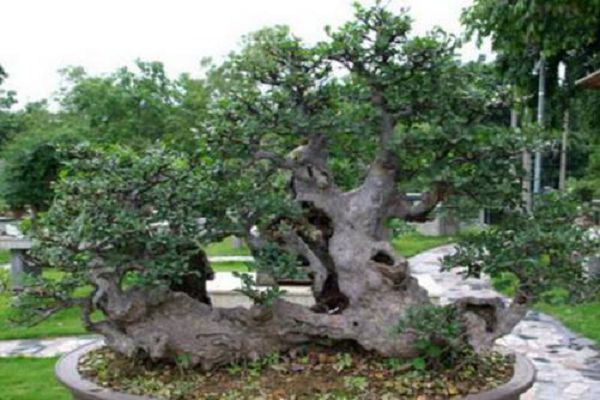
The hot summer has arrived, and besides high temperatures there is also plenty of rain, with the air sometimes dry and sometimes stuffy and humid. To help potted flowers get through summer smoothly, management needs to be strengthened in areas such as watering, shading, and pest and disease control. Below, the editor will focus on summer care and watering techniques for flowering bonsai, so your bonsai stays lush and leafy, beautifully shaped, and gets through summer safely.
Summer care and watering techniques for flowering bonsai
Some flowering bonsai are in their peak blooming season in summer, while others are in their dormant season. So first you need to figure this out. For normal watering, the temperature of the potting soil and the water temperature should be the same or similar; if the difference between the potting soil temperature and the water temperature is too great, do not water. When watering in summer, water only when the water temperature is the same as or similar to the soil temperature and air temperature. Most succulents enter dormancy in summer, so they should be moved to a spot without direct sunlight for care, and watering should be controlled.
1. Do not water during high temperatures
When watering at high temperatures, water only when the water temperature is the same as or similar to the soil temperature and air temperature. Never water during the period from noon to 4 pm. Because the temperature is too high, it can cause the root system to crack, become damaged, and die. It is recommended to water before 9 am and after 7 pm.
2. Mist to retain moisture
In summer, temperatures are high and water evaporates quickly, so do not just water the potting soil and neglect the branches and leaves. Under high temperatures and strong sun, leaves easily dehydrate, so in summer it is recommended to mainly mist the branches and leaves in the morning and evening to retain moisture, keeping the branches and leaves moist and holding water. The best way to keep leaves moist is misting.
3. Keep the potting soil slightly moist
In summer's high temperatures, never follow the conventional watering method of "water when dry, do not water when not dry" and "do not water unless dry." If you wait until the potting soil is completely dry before watering, the roots will be sunburned and the leaves will dry up and droop. So keep the potting soil slightly moist, but it must not become waterlogged, as waterlogging will rot the roots. This should be combined with the size, depth, and material of the pot. For potted plants with small, shallow pots, water more often. For potted plants with large, deep pots, water correspondingly less often. Clay pots have good drainage and evaporate quickly, so they should be watered more often. Stone pots, glazed pots, and plastic pots have pot walls that do not breathe well and drain poorly, so they should be watered less often, and the amount of water should also be smaller.
4. Mist flowering bonsai less
For flowering potted plants such as bougainvillea and hibiscus, mainly water the potting soil, with misting as a supplement. When misting, try to spray as little as possible onto the flowers, as this can easily cause flowers and buds to drop and affect the ornamental value of the bonsai.
5. Fertilize appropriately when watering
In hot weather, plants also need an appropriate supplement of nutrients. But dormant plants should be watered less and not fertilized. For acid-loving bougainvillea bonsai and jasmine potted plants, when watering you can mix in monopotassium phosphate to promote flowering, and it can also prevent the potting soil from becoming too compacted and poorly aerated due to watering.
6. Provide appropriate shade
If high temperatures above 32 degrees continue and there is no rain, you should still appropriately set up shade cloth, or move them to a shaded place for care.