What are some practical methods for shading flowers in the hot summer?
In the hot summer, if you do not pay attention to shading your flowers, they can easily get sunburned, with leaf edges and tips turning yellow and withered, and if not dealt with in time, this can even cause the whole plant to die. At such times the best method is to place the flowers in a shaded spot to prevent direct sunlight, so how should you shade flowers in the hot summer?
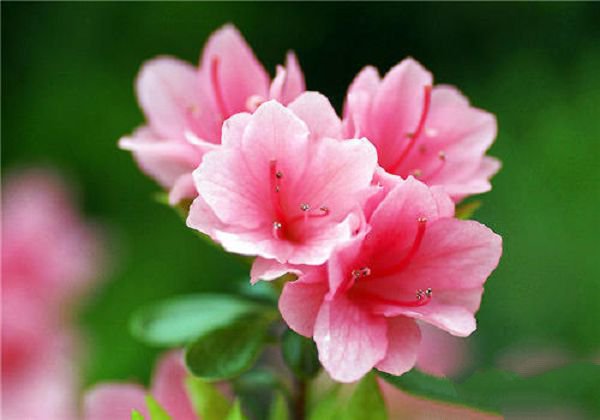
Rhododendron
Most greenhouse flowers belong to the semi-shade plants and cannot tolerate the high temperatures of summer. Therefore, before summer arrives, around Qingming Festival each year, they should be moved out of the greenhouse, and most of these species need to spend the summer under a shade shed. Some cut flowers and woody flowers, such as camellia and rhododendron, also need to be under a shade shed to bloom and grow well.
Shade sheds can be divided into two major types: permanent shade sheds and temporary shade sheds. The frame material of permanent shade sheds is cement or steel pipe, and they are relatively tall, generally over 3 m in height. This type of shade shed is usually used by larger botanical gardens or flower nurseries and professional flower growers. The frame material of temporary shade sheds is often wood or bamboo, and the height is generally also under 3 m. They are used by households for growing flowers, and are temporary shade sheds built in the courtyard or on the balcony in summer and dismantled in autumn.
Apart from the frame, the covering on top of a shade shed was often reed curtain in the past, and of course its effect was good. Nowadays, black or gray plastic shade netting is generally used; it is cheap, relatively light in weight, and its shading effect is also quite good.
If you build a shade shed in the courtyard, when placing potted flowers, you must put bricks under the pots or use inverted empty flower pots as supports, to help drainage and ventilation. If they are placed directly on the ground, coal cinder or coarse sand should be added to help drainage, and on rainy days or when watering, it can also keep mud from soiling the branches and leaves.