Why is it good to cook with flowers? The many benefits of edible flowers
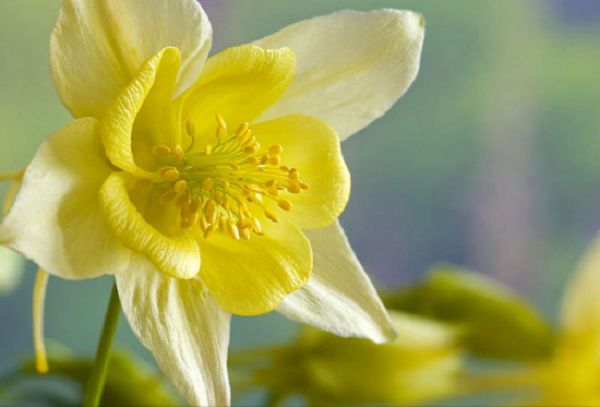
Cooking with flowers can be said to offer a uniquely delicious flavor. The most commonly eaten are osmanthus, daylily and chrysanthemum. Osmanthus alone can be made into dozens of flower-based foods, such as osmanthus sugar, osmanthus wine, osmanthus tea, osmanthus dew, osmanthus cake and candied osmanthus. People often cook chrysanthemum with japonica rice and rock sugar to make porridge; the chrysanthemum, drawing on the nature of the rice grains, enhances its medicinal power, making a fine dish that clears heat and dispels wind, and boosts qi and promotes fluid production. Stir-fried fish slices with chrysanthemum, deep-fried quail eggs with shredded chrysanthemum, and chrysanthemum with shrimp are all hailed as excellent chrysanthemum dishes.
Peony braised with meat makes a meat soup known by the fine name "peony in meat juice." Rose and red date cake made with red dates, water chestnuts, walnut kernels, white sugar, lard and so on is not only uniquely flavored but also suitable for symptoms such as asthma and cough due to kidney deficiency, hemoptysis, and qi pain of the spleen and stomach. Rose cooked with tofu, red and white interlaced, is fragrant in smell. Hibiscus cooked with cardamom has the fine name "snow rosy cloud soup." Lotus added to meat and stir-fried quickly into "lotus meat" is a famous dish. Deep-fried magnolia petals are fresh and crisp, tender, with a refreshing fragrance. Plum blossom braised with squid slices becomes "plum blossom squid soup," a first-class seasonal dish. In addition, pumpkin flowers, orchid flowers, jasmine flowers, peach blossoms, azaleas, gardenia flowers, pea flowers, pear blossoms, kapok flowers, crabapple flowers and many others are all edible.
Cooking with flowers meets the requirements of food science and also fits people's dietary habits. Nutritional studies have also proven that petal cells are rich in protein, starch, fat, sugar, vitamins and minerals, and have the effect of strengthening the body and improving health.
China's ten famous flowers can all be used in cooking and also serve a therapeutic purpose. Orchid can clear the lungs and detoxify, resolve phlegm and stop cough, and can be made into shredded orchid with pork tripe and shredded orchid with chicken. Chrysanthemum has the effects of dispelling wind and brightening the eyes, and nourishing and soothing the liver; made into chrysanthemum vermicelli or snake soup, it has therapeutic effects on colds and sores and swellings. Lotus is often used to treat heatstroke, vomiting blood, insomnia and other conditions; lotus meat slices can relieve summer heat and thirst; peony can invigorate the blood and regulate menstruation; Chinese rose has the effects of resolving stasis and regulating menstruation and invigorating the blood; plum blossom can astringe and stop dysentery, relieve fever and relieve cough, and can also expel worms; camellia is used for scalds, bloody dysentery and other conditions; azalea is used to treat asthma, amenorrhea, rheumatism and so on; narcissus has the effects of reducing swelling and detoxifying, clearing heat and relieving pain, and dispelling wind and dissipating nodules; osmanthus can resolve phlegm and dissipate stasis. Others, such as hyacinth bean flower, can treat vomiting and diarrhea; silk tree flower can help with restful sleep. All these flowers can be used in dishes for meals.
Fresh flowers in cooking have already produced some famous dishes in many places in our country, such as chrysanthemum chicken bones and big red chrysanthemum in Cantonese cuisine; osmanthus meatballs in Shandong cuisine; hibiscus chicken in Beijing cuisine; lotus chestnuts, jasmine soup, osmanthus scallops and chrysanthemum sea bass in Shanghai cuisine.