How Do Flowering Plants Get Through Winter? A Complete Guide to Practical Care Methods
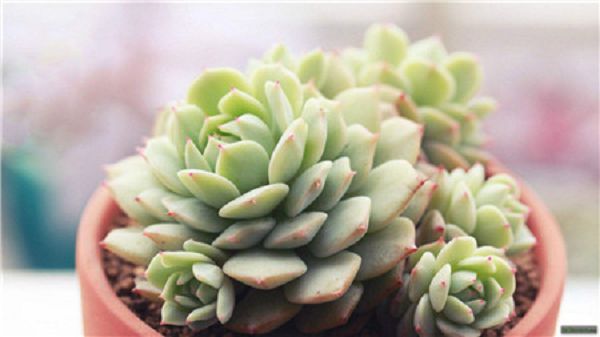
For many plants, winter is both a key period for building up strength and a harsh period full of danger and challenges. So how exactly should we care for our flowering plants in winter to make sure they get through the cold season safely and peacefully? We have put together a guide covering overwintering methods for succulents, foliage plants, flowering plants and fruit-bearing ornamental plants. You would be missing out if you skipped it, so let's take a look.
Overwintering Succulents
To sum up, the two most important things for succulents to overwinter safely are keeping them warm and reducing watering.
Most succulents love warmth. Faced with the lower temperatures of winter, many varieties slow their growth and may even enter dormancy. Therefore, in winter you should pay attention to keeping succulents warm day to day and let them receive light in good time. As we all know, the fleshy leaves of succulents contain a fair amount of water; by the same token, once temperatures drop, succulents become very prone to cold damage, precisely because of those fleshy leaves. So keeping them warm in winter is essential.
Growth is already slow in winter, and when some succulents enter dormancy their physiological activity nearly stops, so watering naturally needs to be reduced to prevent damage to their roots. In some northern regions, when indoor temperatures are high in winter, ventilation is needed, but do not let the succulents sit near a window, or they may freeze.
Overwintering Foliage Plants
For overwintering foliage plants, the main thing is to maintain room temperature and make sure the indoor temperature stays above the minimum temperature for the plant's growth. For friends in the south who have no heating, you can build a small insulating shelter for your plants and give them light on schedule every day. In the north, those with heating need not worry too much about this; your indoor winter temperatures are perfectly fine. Still, pay attention to ventilation and watering, and do not let your plants lose out to other factors.
Overwintering Fruit-Bearing Ornamental Plants
Fruit-bearing ornamental plants are relatively special. If your plant has already set fruit, you need to be especially careful: absolutely do not fertilize, or the fruit may very likely drop. Compared with other plants, you should gradually reduce watering in winter, but fruit-bearing ornamentals are different: fruit growth needs a lot of water, and if water is not replenished in time in winter, the fruit may very likely shrivel, which would ruin its ornamental value. So keeping them warm is of course necessary, but watering must not be neglected either.
A Detailed Summary of Overwintering Plants
In fact, the work needed for flowering plants in winter can be summed up in one sentence: water less, fertilize less, get more sun, and prevent disease. Keep the room warm and ventilate often, and be careful your plants do not catch a chill.
Actually, no matter what type of ornamental plant it is, the key is to care for it in line with its growing habits. All you gardening friends need to do is care for them attentively, and your flowers will never have problems. May your flowers bloom for you in winter and stay lush and green for you.