What temperature requirements do flowers have for growth
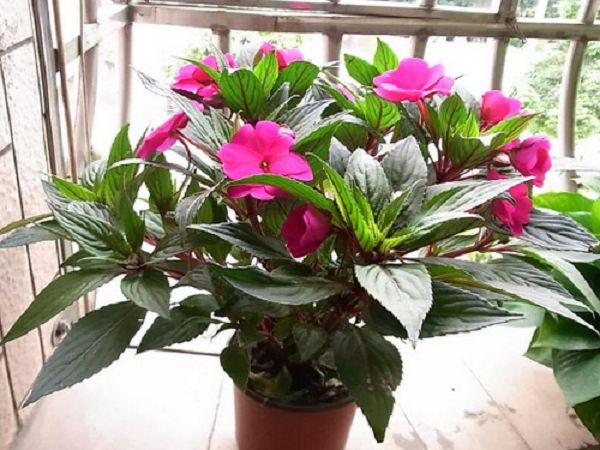
Generally, winter temperatures in the north are relatively low, so when cultivating flowers that like high temperatures, attention must be paid to keeping them warm. For example, the winter room temperature for white orchid (Michelia alba), Milan (Aglaia odorata) and the like must not be lower than 10°C. In summer, ventilated and cool places should be chosen to place cool-loving plants such as cyclamen and Christmas cactus. Temperature regulation can also be used to control the flowering period, thereby achieving the goal of making them bloom as needed.
In winter, for plants growing indoors, because heating times are uneven, it is difficult for the room temperature to meet the requirements. A large temperature difference between day and night is very unfavorable to plant growth. Therefore, attention should be paid to ventilation and air exchange, strictly preventing dryness, and frequently spraying water on the plants to increase air humidity. Plants should be kept at a certain distance from the heating to prevent the leaf tips from drying out due to rising temperatures.
Temperature is one of the most important environmental factors affecting the growth and development of flowers, and it is also the most closely related, because it affects all physiological changes within the plant body. The growth and development of every kind of flower has certain temperature requirements, and all have three cardinal points of temperature:
1. Minimum temperature
The minimum temperature value required for flowers to begin growing. If it is lower than this temperature, the flowers will not begin to grow.
2. Optimum temperature
Within the optimum temperature range, flowers grow rapidly and robustly, and their growth and development are best.
3. Maximum temperature
Above this temperature value, plants also stop growing.
Different flower species and different climate types of their places of origin have different three cardinal points of temperature. Flowers native to the tropics have higher cardinal growth temperatures, generally beginning to grow at 18°C; flowers native to the temperate zone have lower cardinal growth temperatures, generally beginning to grow at around 10°C; flowers native to the subtropics have cardinal growth temperatures between the two, generally beginning to grow at about 15-16°C.
For example, the seeds of the tropical aquatic flower Victoria amazonica can only germinate and grow at a water temperature of 30-35°C, while most species of the cactus family genus Selenicereus require a high temperature above 28°C to grow. The temperate-zone native peony, under winter conditions of more than ten degrees below zero Celsius in Beijing, will not die underground, and in the following spring can sprout and emerge at around 10°C. The optimum growth temperature is the temperature most suitable for growth.
The optimum growth temperature referred to here is different from the optimum temperature referred to in plant physiology, that is, the temperature at which the growth rate is fastest; rather, it means that at this temperature, not only is growth fast, but the growth is also very robust and not leggy.