How to Fertilize Potted Flowers in September? Detailed Key Points for Courtyard Management
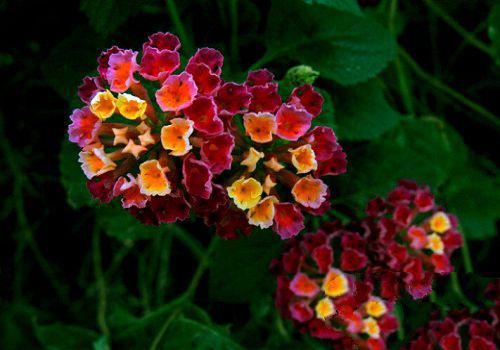
September is the period when most flowers are growing vigorously. Some flower species that were dormant or semi-dormant in summer begin to resume growth as temperatures gradually cool. This month, fertilization management should be given high priority.
Lantana
For foliage plants such as Monstera deliciosa, Ficus elastica (rubber tree), Pachira aquatica (money tree), Dracaena fragrans (Brazilian wood), Thaumatophyllum bipinnatifidum (Philodendron selloum), Rhapis excelsa (broadleaf lady palm), Fagraea ceilanica (Hua Hui Li Mu), Cinnamomum species, Zamioculcas zamiifolia (money tree, also known as dragon-phoenix tree), Araucaria heterophylla (Norfolk Island pine), Caryota mitis (fish-tail palm), Epipremnum aureum (pothos), Scindapsus pictus (green or red gem), Aglaonema (green emperor), Aglaonema commutatum (silver queen), Calathea and Maranta species (prayer plants), Syngonium podophyllum (arrowhead plant), and Ficus lyrata (fiddle-leaf fig), continue to apply mainly low-concentration dilute fertilizer solutions, such as 0.3% urea solution. For flowering trees and shrubs with an exceptionally long blooming period or peak bloom in autumn, such as Rosa chinensis (Chinese rose), Bougainvillea (three-color plum), Lantana camara (lantana), Punica granatum (pomegranate), Lagerstroemia indica (crape myrtle), Aglaia odorata (Chinese perfume plant), Michelia alba (white jade orchid), Jasminum sambac (jasmine), Osmanthus fragrans var. semperflorens (four-season osmanthus), Osmanthus fragrans 'Rixianggui', and Osmanthus fragrans (sweet osmanthus); for fruit-viewing plants such as Citrus aurantium var. amara (bitter orange), Nandina domestica (heavenly bamboo), Ardisia crenata (coral ardisia), Pyracantha fortuneana (firethorn), Chaenomeles (flowering quince), Diospyros cathayensis (golden bullet persimmon), Callicarpa (beautyberry), and fruiting pomegranate; and for colorful-leaf plants such as Codiaeum variegatum (croton), Aucuba japonica var. variegata (gold-dusted Japanese aucuba), Bromeliaceae species (bromeliads), Ficus benjamina 'Variegata' (variegated weeping fig), Dracaena fragrans 'Massangeana' (gold-edged Brazilian wood), Cordyline fruticosa (ti plant), and Coleus (coleus), a balanced fertilizer containing nitrogen, phosphorus, and potassium should be applied as a top dressing.
For plants resuming growth such as Fuchsia hybrida (lady's eardrops), Pelargonium (geranium), Zantedeschia aethiopica (calla lily), Cyclamen persicum (cyclamen), Begonia semperflorens (wax begonia), Daphne odora (winter daphne), Schlumbergera (Christmas cactus), Sedum species (stonecrops), Portulacaria afra (elephant bush, also known as jade leaf), Oxalis triangularis (purple shamrock), Clivia miniata (clivia), and Epiphyllum (orchid cactus), you can resume watering with low-concentration liquid fertilizer; for flowers that have completed flower bud differentiation and entered the flower bud swelling stage, such as Camellia japonica (camellia), Camellia sasanqua (sasanqua camellia), Chimonanthus praecox (wintersweet), Prunus mume (plum blossom), Michelia figo (banana shrub), and Rhododendron (azalea), you can apply a low-concentration fertilizer with balanced nutrients as a top dressing; for potted herbaceous flowers such as Salvia splendens (scarlet sage), Tagetes erecta (marigold), Chrysanthemum (chrysanthemum), Callistephus chinensis (China aster), Dahlia (dahlia), and dwarf sunflowers, apply a light fertilizer top dressing every 10 days to meet their needs for bud formation and flowering next month.