These flowers must never be left in the rain, as rain can easily damage their roots
We all know that rainwater contains a large amount of trace elements, and many of these trace elements play a very good role in the growth of flowers. However, there are several situations in which flowers should never be left in the rain under any circumstances, and in serious cases, this may even lead to the death of the plant. Join me as we go through them - see whether you have any flowers at home that need attention.
1. Flowers in a dormant or semi-dormant state
Quite a few flowers go dormant in summer and enter a dormant period. Flowers that enter dormancy are very likely to slow down their physiological activities, and some may even stop them altogether. It is fair to say that at this time the flowers are extremely fragile. Because their physiological activity is reduced, their water requirement is naturally not high. If you are not careful at this time and let the plant get rained on, it may very likely cause waterlogging, leading to root rot and leaf drop.
Common dormant plants that should avoid rainwater include violets, narcissus, wax begonias, and clivias.
2. Flowers that fear waterlogging
People have all kinds of temperaments, and flowers are the same. If some like a moist growing environment, then there are certainly others adapted to dry growing habits. The second type of flowers that should not be left in the rain are those that are relatively drought-tolerant and fear waterlogging. Once they are rained on, they are very likely to develop disease.
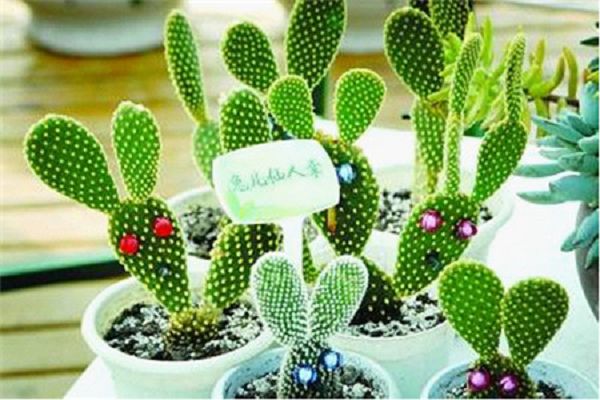
Common drought-tolerant flowers that fear waterlogging include cacti and bougainvillea.
In addition, some flowers that like moisture but fear waterlogging also need attention, commonly including peonies and cyclamens.
3. Flowers with sensitive branches and leaves
Some flowers are naturally rather delicate, and their leaves should not touch water; after contact with water, they may very likely drop leaves or develop yellow leaves. This type of flower is especially sensitive, and even in daily care you need to make sure their leaves do not get wet. You have to be careful when watering, let alone letting rainwater wet the leaves.
Many plants in this category have protective fuzz on their leaves, commonly including African daisies and gloxinias.
Dear flower lovers, if you have these types of flowers at home, be sure to remember to bring them indoors when it rains to prevent them from getting rained on! With careful tending, I believe you will see even more beautiful blooms.