What flowers and plants are suitable for growing indoors?
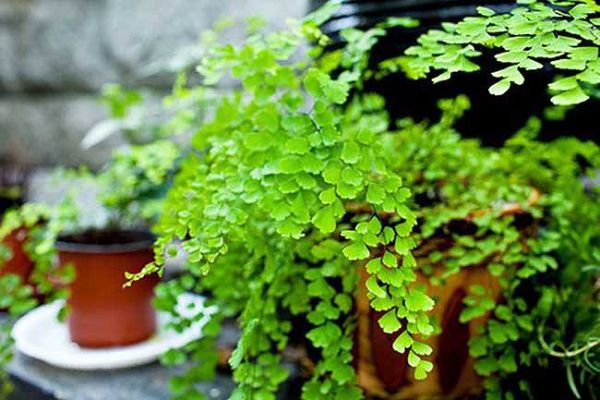
To effectively make use of the role of flowers and plants in blocking environmental pollution and purifying the air, we should decide what kind of plants to grow and where to place them according to each plant's habits or the function of the room.
Below, Chuzhan Xiaobian introduces to you which flowers and plants are suitable for growing indoors.
1. You can choose according to the habits of the flowers and plants
Oxygen-releasing plants freshen the air. Recommended flowers and trees: clivia (Clivia miniata), cactus plants.
Plants breathe in different ways. Some take in carbon dioxide and release oxygen, while others do the opposite. For example, cactus plants can release oxygen at night, and while freshening the air, they can make the room feel moist and mild, so they are more suitable for placement in the bedroom; a large pot of clivia can be placed in the hall, used directly to regulate the air in the living room.
Some plants can "disinfect and absorb toxins." Recommended flowers and trees: spider plant (Chlorophytum comosum), pothos (Epipremnum aureum), Monstera deliciosa, lucky bamboo (Dracaena sanderiana), aloe (Aloe vera), English ivy (Hedera helix).
Plants such as pothos, spider plant and Monstera deliciosa have the effect of absorbing harmful gases. Placed in a newly renovated home, they not only serve a decorative role but are also good for health; evergreen ornamental green plants such as lucky bamboo all have a "disinfecting" function.
To block computer electromagnetic radiation, recommended flowers and trees: cactus, cactus balls.
Succulent plants such as cacti, native to tropical arid regions, have stomata on their fleshy stems that close during the day and open at night, so at night they absorb carbon dioxide and release oxygen, and therefore have the function of increasing fresh air and negative ions. In addition, they also have a good inhibitory effect on bacteria in the air.
2. You can arrange them according to the function of the room
Bathroom: choose plants that tolerate shade and moisture, with soft leaves, especially those without hairs or thorns, such as maidenhair fern (Adiantum), evergreen (Rohdea japonica), bamboo species, etc.
Kitchen: because it easily produces cooking fumes, the plants placed there should also have relatively good pollution resistance, such as aloe, evergreen, etc. If you choose vegetables and fruits as materials for flower arrangements, they not only coordinate with the kitchen environment but also have a distinctive charm.
3. Points to note when choosing flowers
Many people like to grow flowers indoors to improve and beautify the indoor environment, but if chosen improperly, it can instead cause indoor pollution. Therefore, when choosing flowers, note:
1. Choose good varieties. Indoors, it is best to choose evergreen flowers and trees or varieties that can absorb toxic gases, such as spider plant, asparagus fern (Asparagus setaceus), evergreen, cactus, Monstera deliciosa, English ivy, etc.
2. Placing flowers in the bedroom requires care, because during the day flowers release oxygen and absorb carbon dioxide during photosynthesis; but at night, flowers do not carry out photosynthesis, and not only release carbon dioxide but also absorb oxygen. Therefore, in the bedroom, at night it is best to place few or no flowers, to avoid them competing with people for oxygen and affecting health.
3. Cactus-type plants have thorns and are not suitable for placement in the bedroom, and they must be kept out of the reach of children to prevent puncture injuries.
4. Avoid flowers and plants unsuitable for indoor cultivation (omitted above) and absolutely avoid cancer-promoting flowers and plants. 52 kinds of cancer-promoting flowers and plants: Iris (Iris tectorum), red impatiens (Impatiens balsamina), crown of thorns (Euphorbia milii), broadleaf kiwifruit (Actinidia latifolia), bitter apricot seed (Prunus armeniaca), datura (Datura stramonium), stone chestnut (Aleurites moluccanus), yellow clematis (Clematis tangutica), red bird coral (Pedilanthus tithymaloides), croton (Codiaeum variegatum), narrow-leaf croton (Codiaeum variegatum var. pictum), bee-waist banyan (Ficus pandurata), stone mountain croton (Croton lachnocarpus), hairy-fruited croton (Croton lachnocarpus), croton (Croton tiglium), qilin crown (Euphorbia neriifolia), cat's eye grass (Euphorbia helioscopia), sun spurge (Euphorbia helioscopia), kansui (Euphorbia kansui), caper spurge (Euphorbia lathyris), alpine snow (Euphorbia marginata), thousand-root grass (Euphorbia thymifolia), red-backed osmanthus (Excoecaria cochinchinensis), chicken-tail wood (Excoecaria cochinchinensis), multi-lobed physic nut (Jatropha multifida), mountain tallow (Sapium discolor), Chinese tallow (Triadica sebifera), round-leaf tallow (Triadica rotundifolia), tung tree (Vernicia fordii), wood tung (Vernicia montana), fire disaster le (Euphorbia antiquorum), yuanhua (Daphne genkwa), jiexiang (Edgeworthia chrysantha), langdu (Stellera chamaejasme), yellow yuanhua (Daphne genkwa), liaogewang (Wikstroemia indica), soil agarwood (Aquilaria sinensis), thin-axis yuanhua (Daphne genkwa), sappanwood (Caesalpinia sappan), Guangxi money grass (Desmodium styracifolium), red-bud euphorbia (Euphorbia hirta), pig's calamity (Galium aparine), yellow-haired tofu wood (Premna fulva), false forsythia (Duranta erecta), shegan (Belamcanda chinensis), silver-powder brake fern (Aleuritopteris argentea), golden fruit olive (Tinospora capillipes), sanleng (Sparganium stoloniferum), scissors shares (Ixeris denticulata), hard-pod tree (Ehretia acuminata), Hainan lou (Piper hainanense), Huai achyranthes (Achyranthes bidentata).