How to treat gray mold in flowering potted plants? A detailed guide to disease prevention and control methods
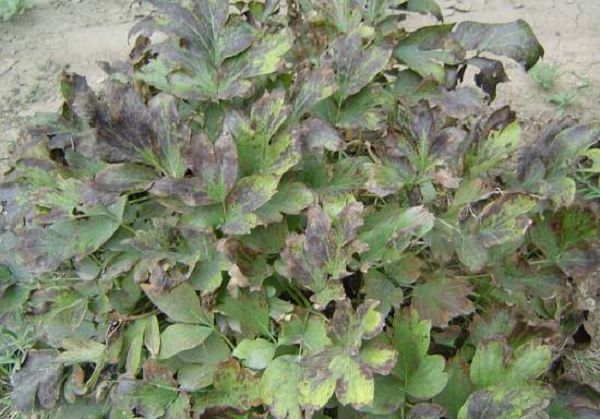
During the cultivation of flowering potted plants, various pests and diseases can occur, and the hardest part is identifying the symptoms and the effectiveness of control. They are grouped into two types: fungal diseases and viral diseases. Fungal diseases include red spider mites, aphids, and so on, while viral diseases include anthracnose, gray mold, southern blight, sooty mold, and so on. Gray mold is one of the common fungal diseases of flowers, with a wide host range, and it can harm the leaves, stems, flowers, and fruits of the host. When flowers are affected, generally water-soaked spots appear at first and gradually expand, then quickly turn brown or dark brown with irregular patterns. When the weather is humid, gray mold-like growth also appears. Below, the editor shares with you the symptoms and control methods of gray mold in flowering potted plants.
Disease prevention and control for flowering potted plants: how to treat gray mold when it occurs in flowers
How to treat gray mold when it occurs in flowers
1. At the early stage of the disease, promptly prune off diseased leaves, and spray a 70% thiophanate 1000-fold solution, or spray a 75% chlorothalonil 800-fold solution for control;
2. In late autumn, thoroughly remove diseased plant residues and burn them in a centralized manner. Practice crop rotation, or mix pentachloronitrobenzene with 80% zineb wettable powder in equal amounts evenly, and apply 8-10 grams per square meter for soil disinfection;
3. Select disease-free plants as propagation material, and before planting soak them in a 65% zineb 300-fold solution for 10-15 minutes.