The clash between food culture and agriculture gives birth to the artisan spirit in food and agriculture
Food culture is the process by which humans, throughout history, have explored food sources, developed food items, created food containers, and consumed and used food. This behavior, combined with dietary-based customs, religious influences, and local culture, further forms the patterns of human dietary activity and the interactive process between people and food, emphasizing the heterogeneity brought by culture and constructing and developing into the entirety of all food affairs. In addition, agriculture as the background knowledge of food culture is an indispensable part of modern society.
The practice of food and agriculture issues, the Food and Agriculture Carnival at National Taipei University
On December 25, National Taipei University held a food and agriculture event. With the joint efforts of NTPU faculty and students, NTPU community elders, the Hsinchu Houshi Settlement, and many partners, the Food and Agriculture Carnival was unveiled. Professor Xin Fachun and Professor Gu Liren from the Department of History were the key drivers of this event. "It is really not easy to establish this event; it requires cooperation from all sides to make it happen," said Professor Fachun. The two professors spared no effort in their dedication precisely to embody the true spirit of USR (University Social Responsibility), not only on campus but also extending academic inheritance to nearby communities, achieving the social ideal of "young and old thriving together."


Display of small farmer products, strengthening the relationship between food and agriculture
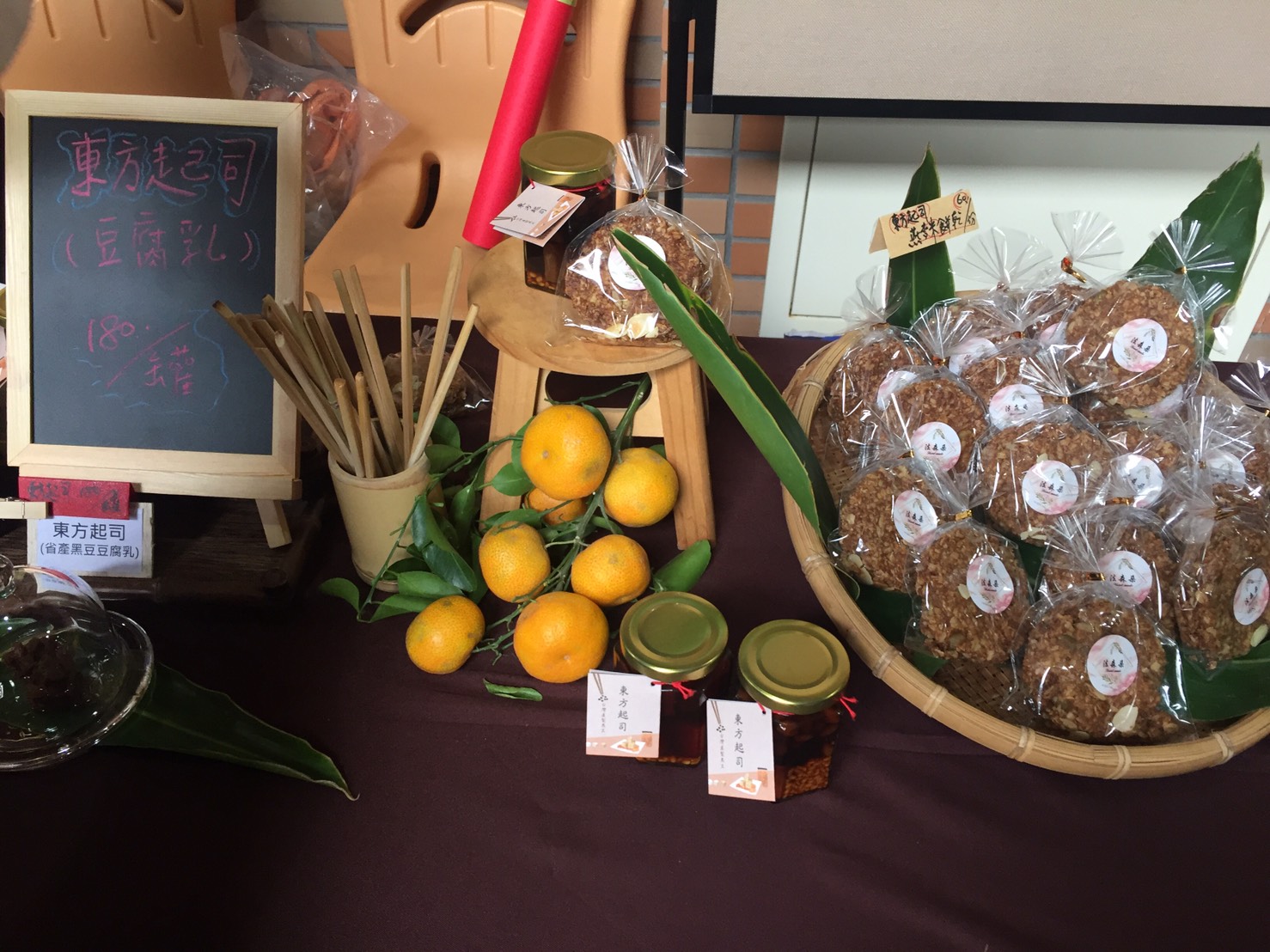
Of course, stalls selling small farmer products were indispensable at the event. Although not all of those who came to set up stalls this time were small farmers, they all adhered to concepts such as "local production, local consumption" and "healthy, low-carbon, peace of mind." These artisans were never careless about the requirements for their products. Whether they made a profit was not their primary consideration; whether consumers had confidence in their products was what they truly cared about. In order to more clearly convey their emphasis on the environment and the sustainable development of the land, they personally took the stage to eloquently share their ideals and future expectations.