Spring Care and Management Tips for Household Potted Flowers
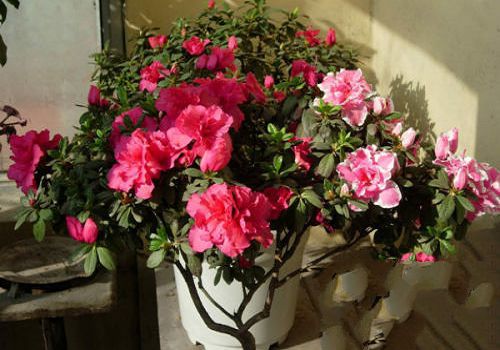
Spring has arrived, and potted flowers and trees that endured a whole winter indoors can finally "hold their heads high" and enjoy the spring sunshine. Because spring weather is changeable, the management and care of household potted flowers in spring is very important. To grow flowers well in spring, the following aspects of work should be done well:
First, propagate good seedlings.
Chinese roses, geraniums, pomegranates, winter jasmine and others can have healthy branches cut for cuttings in spring. Azaleas and jasmine prefer acidic soil; sturdy new branches 5-10 cm long can be cut, the lower leaves removed, and 3-4 top leaves kept for cuttings. For cuttings, black mountain soil and yellow sand can be used as the medium. The cuttings should be sprayed moderately to maintain a certain humidity, and generally they will take root after about 1 month. Orchids, agaves and spider plants can be propagated in early spring by division or by runners respectively.
Spring-sown herbaceous plants grown from seed, such as asparagus fern, ornamental pepper, mimosa, garden balsam, scarlet sage, morning glory and Tagetes species, can be broadcast-sown or dibbled. Sowing method: first fill a pot with soil, press it down slightly, then sow the seeds, and cover with fine soil. For watering after sowing, generally place the flowerpot into a water basin and let water slowly seep in from the bottom of the pot. Most will germinate 1-3 weeks after sowing, and after germination move the pot to a sunny place. After the seedlings grow 2-3 leaves, they can be pricked out and transplanted; when transplanting, be careful not to damage the roots or break the stems.
Second, repot and change the soil.
This is a method of supplementing fertilizer for potted flowers in spring. Generally, small pots are repotted once a year, and large pots once every 3-4 years; tall plants need to be moved into larger pots. Some plants whose root systems are too dense or that have dead or rotten roots need appropriate pruning. After repotting, generally the first watering should be thorough, then the plant should be placed in a shady place; afterward, water again when the pot soil is seen to be dry. Generally, after new roots grow, carry out normal watering and move the plant to a sunny place.
Finally, pruning and trimming.
This should be done according to different plants. Azaleas, winter jasmine and others should not be pruned excessively; for pomegranates, Chinese roses and others, dead branches, damaged branches or overly dense branches can be cut away in early spring to encourage abundant flowers and lush leaves. Jasmine should have old leaves removed when repotting to encourage more new branches to sprout. Climbing vine plants such as Boston ivy, banksia rose, wisteria and rose can be trained and pruned so that the leaf surface receives as much sunlight as possible and grows vigorously.
There are three taboos in spring care of potted flowers: avoid spring cold - when the outdoor temperature has not exceeded 10°C, do not move potted flowers outdoors too early; avoid spring wind - spring winds are strong, so flowers that are brought outside should be placed in a wind-sheltered spot; avoid leaving them out overnight - flowers in early spring should not be left outdoors overnight. In addition, watering should be moderate and can be increased as the temperature rises; just keep the soil appropriately dry or moist.