How important is light to the growth of flowering plants?
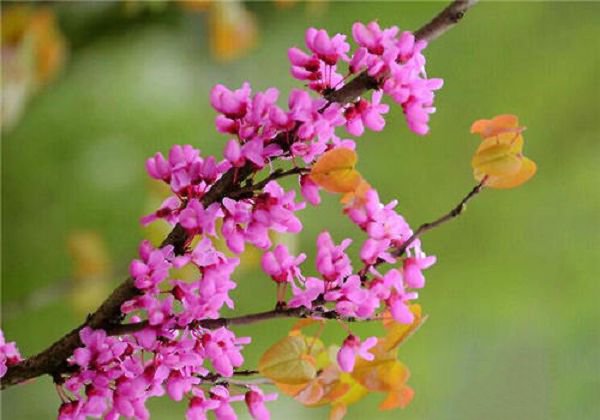
In the vast majority of articles on flower cultivation, the question of whether there is enough light is mentioned, because flowering plants cannot do without light when they carry out photosynthesis, and many flowering plants can only grow lush branches and leaves under sufficient light conditions. Light plays a key role in the healthy growth of flowering plants, so let us take a detailed look below!
1. Different flowers have different light requirements
1. Sun-loving flowers
Most flowers grown for their blooms and fruits are sun-loving flowers, such as magnolia, Chinese rose, pomegranate, plum blossom, crape myrtle, citrus and so on. Among foliage flowers there are also a few sun-loving flowers, such as sago palm, palm, croton and so on. Most aquatic flowers, cacti and succulents also belong to the sun-loving group. All sun-loving flowers like strong light and cannot tolerate shade. If sunlight is insufficient, it easily causes leggy branches and leaves, soft and weak tissues, paler and yellowing leaf color, difficulty in blooming or poor blooming, and susceptibility to pests and diseases,
2. Shade-loving flowers
They grow well under shaded environmental conditions, such as asparagus fern, camellia, rhododendron, hosta, golden pothos, lucky bamboo, ivy, gloxinia, monstera, begonia and so on. If they are exposed to strong light for a long time, their branches and leaves turn withered and yellow, growth stagnates, and in severe cases they even die.
3. Neutral flowers
They grow well under conditions of sufficient sunlight, but in summer when light intensity is high they should be slightly shaded without exception, such as osmanthus, jasmine, white orchid, hydrangea and so on. In summary, various flowers have rather different light requirements, and even the same kind of flower has different light requirements at different stages of growth and development. The amount of light needed by seedlings can be gradually increased, while sun-loving chrysanthemums require short-day conditions to form flower buds.
Bauhinia
2. Light affects the growth and development of flowers
1. The intensity of light determines the time when certain flowers open. For example, the flowers of purslane and wood sorrel only bloom at noon on sunny days. Evening primrose, jasmine and tuberose only give off fragrance in the evening. And the beautiful flowers of the epiphyllum release their fragrance at night. Morning glory is at its most beautiful at sunrise in the early morning.
2. Light intensity affects flower color. The flower colors of tropical flowers in high mountains are more vivid than those of flowers on flat land. For the same variety of flower, its flower color is more brilliant outdoors than indoors.
3. The length and intensity of light also affect the germination of flower seeds. For example, the seeds of primrose and begonia are called light-sensitive seeds, and they germinate better when exposed to light (without covering with soil), but philodendron must be covered with soil after sowing and cannot germinate under light. Light also affects the formation and growth of the vegetative organs of flowering plants, their dormancy, and so on.
Therefore, to care for any kind of flowering plant, you must first understand its growth habits, and you cannot blindly give it what you think it needs. Only by giving reasonably can you grow flowering plants with abundant blooms and lush leaves and a fragrance that greets the nose.