Are the cultivation conditions for your flowers suitable? Here's how to tell
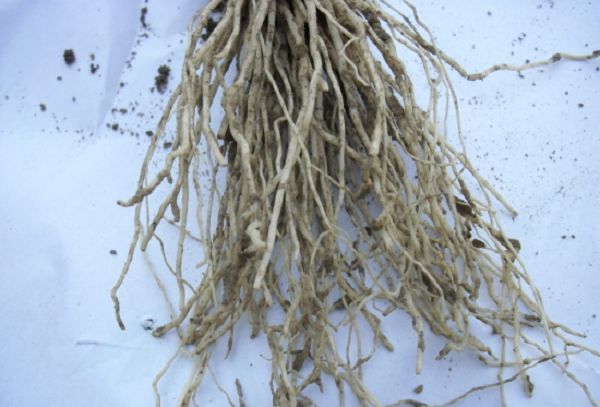
When growing flowers, you can use various physical or chemical methods to test whether the cultivation conditions are suitable. When growing flowers at home, you can also rely on your own sensory organs, such as sight, hearing, smell and touch, to observe and understand the normal growth and abnormal changes of each part of the flower, and thereby judge whether the cultivation conditions are suitable.
In plants whose root system is growing normally, the crown bud is full and the stem nodes extend upward evenly; in most flowers, white roots often protrude from the drainage hole of the pot, which shows that the potting soil has been mixed properly. In light-loving flowers, short and thick stem nodes with normal leaf color mean the light is appropriate; if the stem nodes are elongated and the leaves are thin and pale, it means too much water, high temperature or insufficient light. Leaf growth most clearly reflects whether cultivation conditions such as soil, water, fertilizer, light, temperature, humidity and ventilation are good or bad, as well as pest and disease damage. Normally growing leaves are glossy and spread out, thick and full, with a firm feel when touched and a solid sound when tapped with a finger; abnormal leaves are thin in texture and dull in color, and often appear wilted, yellow, twisted, curled, uneven and not spread out. To judge the symptoms of flower diseases, you should take into account the habits of each type of flower, correctly determine which one or several cultivation conditions are unsuitable, and take measures in time. Some flowers have sturdy stems and luxuriant branches and leaves, yet fail to bloom and bear fruit on schedule, or their flowers and fruits are deformed; this is usually caused by excessive water and fertilizer leading to excessive vegetative growth; in some cases it is related to light, temperature or pruning. Falling flowers and dropping fruit are mostly due to too much water or excessive dryness, and in some cases to sudden temperature changes or environmental pollution.
To judge cultivation conditions, besides sight, you can also tell whether the potting soil is moist or dry from whether the sound of tapping the pot wall is dull and muddy or clear and crisp. From the strength of the smell, you can distinguish whether the growing medium is fresh or aged and how much fertilizer it contains, as well as the degree of decomposition of various organic fertilizers. From the amount of springiness felt when pressing the potting soil with your fingers, you can tell how much organic matter the soil contains. From the feel of rubbing and squeezing the soil in your hand, you can judge whether the soil texture is sticky, loose, soft or compacted, and so on. Relying on the direct perception of the human body to adjust light, temperature and air humidity appropriately is effective in practice.