How to care for flowers in winter? Cultivation methods and care precautions
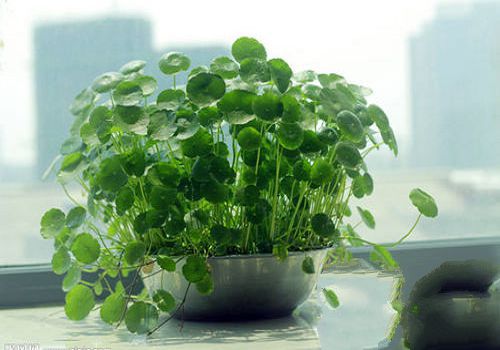
Four key elements of winter management for flowers and methods of keeping them warm
There are many taboos in winter flower care; only by mastering these can you get your beloved flowers safely through the winter.
Several aspects to note for plants and flowers to get through winter smoothly
As long as the following aspects are handled well, plants and flowers should be able to get through the winter smoothly: first, pay attention to frost protection and insulation; second, do not water too much; third, do not apply too much nitrogen fertilizer; fourth, expose them to plenty of sunlight; fifth, prevent diseases and control pests.
Daily care methods for several common flowers in early winter
As winter arrives, temperatures drop and daylight gradually shortens, and the physiological activity of flowers shifts from the vigorous period to a gentle period or dormant period. In view of the current solar term, experts introduce the daily care of several common flowers to flower-growing enthusiasts.
Winter care and management methods for hydroponic flowers
For household hydroponic flowers, the foliage and flowering plants used mostly originate from Latin American rainforests, or from tropical high-temperature, high-humidity, shaded ravine areas; they are cold-sensitive flowers, with an optimum growth temperature generally of 18°C to 25°C. Hydroponic cultivation only changes the cultivation method, not its growth habits.
Winter management methods for different bulb flowers
1. Tuberose tubers
2. Dahlia tuberous roots
3. Amaryllis bulbs
4. Canna rhizomes
Potted flowers
Care methods and frost protection methods for potted flowers after being moved indoors
First, before flowers are moved indoors, the pot walls and pot bottoms should be washed to prevent bringing pests indoors. Second, during the winter for cold-sensitive potted flowers, if the room temperature exceeds 20°C, doors and windows should be promptly half-opened or fully opened to dissipate heat and lower the temperature, preventing the potted flowers from being "stifled" and weakening their cold resistance.
Overwintering management methods and key points for potted flowers
After the weather turns cold, potted flowers should be overwintered by category. In management, the following key points should be noted: cold protection, watering, and pest and disease control.
Maintenance methods for household potted flowers in winter
When winter arrives, foliage plants moved indoors, especially in rooms with heating equipment, should be sprayed with mist-like water on the leaves frequently to increase air humidity.
Care measures for potted flowers after being moved indoors should take the characteristics of the flowers into account
To help potted flowers overwinter safely, they need to be moved indoors one after another in early winter; after being moved indoors, the care measures taken and the placement positions must take the characteristics of various flowers into account.
Care and management work for potted flowers in early winter
Early winter is a critical period for nutrient accumulation and flower bud differentiation in potted flowers. Management work at this time directly affects the flowers' cold resistance for overwintering and their blooming the following year, so the following work needs to be done well.
Five key points for overwintering care of indoor potted flowers
Five key points for overwintering care of indoor potted flowers: move indoors at the right time, place reasonably, prune and shape, water appropriately, and fertilize in moderation.
Grasp the "four points" in winter care and management of household potted flowers
To help potted flowers overwinter safely, they need to be moved indoors one after another in early winter; in management, grasp four points: place them indoors, water reasonably, fertilize scientifically, and prune reasonably.
What to note when watering potted flowers in winter
When winter comes, most potted flowers enter the dormant stage, growing slowly, with reduced metabolism and a corresponding decrease in water requirements. If watering is not handled well, root frost damage can occur, causing the upper part of the plant to wither or even die.
Watering and fertilizing
How to water flowers in winter and care precautions
When winter comes, most potted flowers enter the dormant stage, growing slowly, with reduced metabolism and a corresponding decrease in water requirements. If watering is not handled well, root frost damage can occur, causing the upper part of the plant to wither or even die.
Precautions for winter fertilizing of indoor potted flowers
Dormant potted flowers do not need additional fertilizer in winter; foliage potted plants can be given an appropriate amount of compound fertilizer and ferrous sulfate in winter; flowering potted plants should be given additional phosphorus and potassium fertilizer in winter; and fruiting potted plants should be given additional phosphorus fertilizer in winter.