Is it really safe to use flowers for cooking?
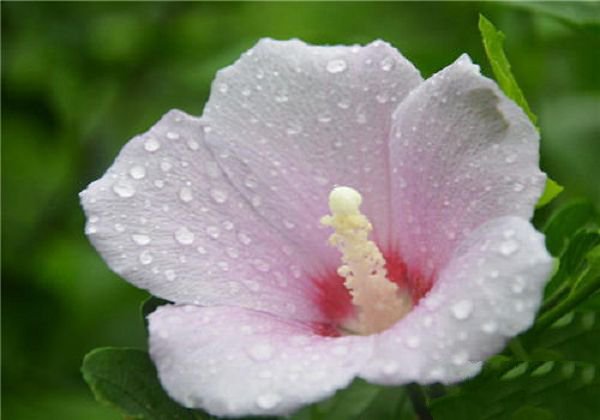
Friends in Guangzhou may have noticed that five kinds of flowers - rose of Sharon, golden ginger lily, cotton rose hibiscus, white chrysanthemum and modern rose - have already appeared on dining tables. Flowers that we commonly use to make tea can now also be used for cooking. Is this really safe?
Rose of Sharon
This study, conducted in accordance with the "Procedures and Methods for Toxicological Assessment of Food Safety," shows that the amino acid and crude protein contents of these 5 edible flowers are all higher than those of tomato. For example, the crude protein content of rose of Sharon is 1.7 times that of tomato. Rose of Sharon, golden ginger lily, white chrysanthemum and modern rose have relatively high vitamin C contents. Among them, the vitamin C content of rose of Sharon is 88.70 mg/100 g, which is 8.9 times that of daylily, 1.3 times that of cauliflower, and 4.7 times that of tomato. The dry matter and crude fat contents of the 5 edible flowers are also higher than those of cauliflower and tomato.
Dishes made with these 5 flowers as ingredients have already been served on restaurant tables. Starting 1 year ago, the Guangzhou Agricultural Technology Promotion Center has supplied these 5 flowers exclusively to some restaurants in Guangzhou. A person in charge of a certain restaurant said: "Because the flowers are green, natural food and taste delicious, dishes made with them, such as steamed chicken with golden ginger lily, flower-fragrant spare ribs, stir-fried rose of Sharon and cotton rose hibiscus, have become our signature dishes and are deeply welcomed by consumers."
Tests on the flowers of these 5 plants for acute toxicity, teratogenic effects and subchronic toxicity show that these 5 flowers are safe to eat cooked. Huang Banghai, director of the Guangzhou Agricultural Technology Promotion Center, said: "These edible flowers are safe to eat after being thoroughly cooked, but do not eat them raw." Common vegetables such as choi sum and Chinese cabbage are also not suitable to be eaten raw, because the nitrite content of uncooked choi sum and Chinese cabbage is too high, and this problem does not exist after cooking.