Four-Season Watering Methods and Precautions for Courtyard Flowers
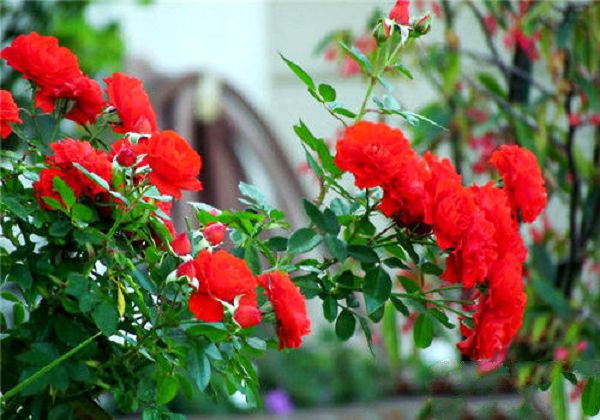
Courtyard flowers cover a wide range of species, and due to differences in the environmental conditions of their places of origin, their water requirements differ. Suitable soil moisture is an important guarantee for the growth of flowers and trees. Generally speaking, soil moisture with a water content of 60%-70% is appropriate. If it exceeds 80%, the soil air content is low, the respiration of the roots is inhibited, and the growth of the flowers will be affected. But for flowers with strong drought resistance, such as Yucca (Yucca gloriosa), dragon fruit, Pelargonium, and Sophora japonica 'Golden Stem', if the soil water content is too high, it will instead affect the growth and development of the root system.
Courtyard Flowers
How to determine when to water: When the leaves droop, it is the most obvious sign of water shortage, and water must be replenished in time. Wilting and drooping leaves will weaken their growth and are not conducive to the normal growth of the plant. Water must be replenished to the flowers in a timely and moderate manner before the leaves droop. To know exactly whether the flowers need watering, insert a bamboo pole deep into the soil and leave it for 1 minute before pulling it out. If there is soil stuck to the bamboo pole or water marks can be seen on it, there is no need to water; if there is no soil stuck to the bamboo pole and no water marks can be seen, then watering is needed.
Courtyard flowers involve many species, and together with differences in tree age, and the different geographical locations and orientations, their water requirements also differ. According to seasonal changes, a brief explanation is as follows:
Spring watering: Although the temperature gradually rises, there are often unstable fluctuations, rising and falling suddenly. Water should be replenished appropriately according to temperature changes. For trees and shrubs that have already begun normal growth and bulbous flowers planted in the ground, special watering is generally not needed, unless there has been no rain for a long time and they are at the stage of sprouting new buds or forming buds, in which case appropriate watering is beneficial for new leaf growth and flowering. For newly planted trees and shrubs, in order to ensure survival, they need timely watering to keep the soil moist. But the soil must not be overly moist; as long as the soil is slightly dry, water it. However, the temperature of the water must not differ too much from the soil temperature; too high or too low will cause harm to the roots.
Summer watering: As the temperature rises, the water demand of courtyard flowers increases accordingly, and it is necessary to prevent leaf water shortage and wilting. Early summer is in the plum rain season, with abundant rainfall, and woody flowers generally do not need watering. Take care not to let the soil become waterlogged, and drain it in time. In midsummer, if there is continuous high-temperature weather, evaporation is high; for some trees and shrubs that are not tolerant of drought and high temperatures, pay attention to irrigation replenishment and spraying water on the leaves in the morning and evening to keep the leaves fresh and upright. For herbaceous flowers, the soil still needs to remain moist. Some bulbous flowers whose leaves have withered and entered dormancy do not need watering; keeping them dry is sufficient.
Autumn watering: The temperature begins to drop, the daily temperature difference gradually increases, rainfall noticeably decreases, and the number of clear days increases. In early autumn, the temperature is sometimes still relatively high and the air is relatively dry. For most courtyard flowers, this is the second stage of rapid growth, and the soil must remain moist. Water can be sprayed appropriately on the leaves, but never spray water on flowers or on hairy leaves; maintaining relatively high air humidity is very beneficial to the growth of flowers and trees.
Winter watering: Outdoor temperatures change noticeably. In early winter, in the north, the temperature has dropped to around 0°C, and frost will occur in the Yangtze River basin region. Most courtyard flowers basically stop growing, and some ground-planted bulbous flowers are in the process of rooting. At this time, watering is usually stopped to prevent the soil from becoming overly moist, which would cause root rot. Entering the severe winter, rainwater decreases and snowfall increases. At this time, soil moisture is not a problem. But it is necessary to prevent branches from breaking due to accumulated snow.