What effect does air humidity have on flower growth
There are many kinds of flowers, and because their places of origin have different climatic conditions, their requirements for air humidity also differ. If the air humidity is too high, it easily causes excessive vegetative growth of branches and leaves, rotting of petals, and flower drop, and it easily causes the spread of diseases and pests. If the humidity is too high during the flowering period, it hinders flowering and affects seed setting. If the air humidity is too low, the flowering period shortens and the flower color fades. When southern flowers are grown in the north, if the air is dry for a long time, they will grow poorly, affecting flowering and fruiting. In the dry winter climate of the north, if a certain humidity is not maintained regularly when growing flowers indoors, some moisture-loving flowers often show symptoms such as pale yellow leaves and dry, withered leaf edges. Shade- and moisture-loving flowers, if cultivated for a long time in a dry environment, will have leaves that turn yellow or red, become smaller, thinner, and curled, or have scorched leaf blades; drought-tolerant flowers, if kept for a long time in a humid environment, such as cacti, tend to have a thinner epidermal layer and will develop rot disease. In cultivation, flowers are usually divided into 3 categories according to their air humidity requirements.
1. Moisture- and shade-loving flowers such as begonias, hostas, orchids, ferns, arrowroots, and rhododendrons require the relative air humidity to be kept regularly at 60{bf}~80{bf}.
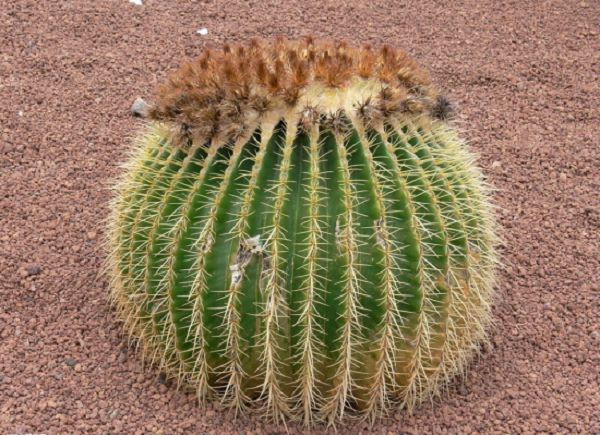
2. Drought-tolerant flowers such as cactus balls, cacti, and agaves. In North China, the general indoor air humidity is sufficient.
3. Neutral flowers. This category of flowers has air humidity requirements between the previous two, such as white orchids, Aglaia odorata, jasmine, banana shrubs, Chinese hibiscus, bougainvillea, citrus plants, palms, and osmanthus.
In the north, air humidity is very low in spring and autumn, which is unsuitable for the growth and development of southern flowers; in winter, indoor heating with stoves is even more unfavorable for moisture-loving flowers. In order to grow flowers well, you can find ways to regulate the air humidity in the micro-environment. For example, methods such as spraying and washing the branches and leaves or covering them with plastic film can increase air humidity and create humidity conditions suitable for flower growth. Moisture-loving flowers such as orchids, begonias, and ferns require the relative air humidity to be no lower than 80{bf}, and medium-moisture flowers such as jasmine, white orchids, and Chinese hibiscus require air humidity no lower than 60{bf}.