Is an orange healthier than orange juice? The effect of high-fiber, low-sugar fruit on the body
Sugar provides energy for the body and the brain. In fact, the reason humans split from the apes may be that we love sugar. A study recently published in The Quarterly Review of Biology points out that starchy carbohydrates, over the past
Sugar provides energy for the body and the brain. In fact, the reason humans split from the apes may be that we love sugar.
A study recently published in The Quarterly Review of Biology points out that starchy carbohydrates played a key role in the rapid development of the human brain over the past one million years. The researchers believe that the brain uses 60 percent of the body's blood sugar, and that when humans began cooking food (releasing simple sugars from starches such as potatoes and increasing their bioavailability), this practice set off evolutionary changes that increased brain volume.
But it may also have set off another phenomenon: hypoglycemia.
The human body and brain need a steady supply of sugar. For a long period in human evolution, we got relatively little sugar, and it all came from fiber-rich foods, such as fruit. With the help of fiber, sugar enters the body more slowly; fiber slows the rate at which the body absorbs sugar (and other nutrients).
No wonder nature packaged sugar together with fiber. Humans are now interdependent with sugar, and this relationship is not very healthy, a bit like a marriage that still has love but is also full of obstacles. Sugar that lingers too long in the blood is like a bad boyfriend; it slowly poisons you. Although we cannot live without sugar, sugar can always cause harm.
That is exactly why, as soon as sugar enters the blood, the pancreas secretes insulin. Insulin regulates sugar, turning it into glucose stored in the liver and muscles, and into triglycerides stored in fat cells.
In the past, sugar entered the body together with natural fiber, and everyone coexisted peacefully. Fiber let sugar enter the blood slowly, and the pancreas could release the insulin you needed at its own pace. It is like a good friend who keeps an eye on your cute but troublesome boyfriend so that he does not get out of control.
Since humans began refining sugar (that is, boiling cassava), sugar has entered the blood faster. We crave sugar more and more, and sugar-refining technology keeps improving. From boiled root vegetables to making soda from tree roots, we began producing foods that let the body take in sugar quickly, but at a speed beyond what the body can handle. This kind of sugar is called "free sugar": sugar that manufacturers, chefs and consumers themselves add to food, as well as sugar naturally present in honey, syrups and fruit juice, all count as "free sugar."
Because it worries that your blood sugar will spike, the pancreas sometimes overreacts, releasing too much insulin and removing too much blood sugar. This is called hypoglycemia, a feeling of whole-body trembling and extreme hunger, different from the ordinary stomach-rumbling kind of hunger. Because the body overreacts and stores all the sugar in the blood as fat, we suddenly and immediately need more sugar.
The intense craving for sugar makes us gain weight within two days. First, the body cannot keep the sugar in the blood and instead quickly stores it as fat. Second, this intense craving triggers rebound hunger, driving us to take in more sugar, and so the whole process starts over again from the beginning.
Almost every disease that has ever kept you awake at night worrying is related to this vicious cycle. The American Journal of Clinical Nutrition published the results of a study in which researchers examined 37 studies on high-sugar, low-fiber diets and found that "postprandial hyperglycemia is a common mechanism of disease worsening." In plain language, this means "a diet that raises blood sugar will kill you," and not just from one disease. If you are at high risk for heart disease, high blood sugar can cause cholesterol and blood pressure to rise. If you have a family history of diabetes, high blood sugar makes you more likely to develop insulin resistance. If you are prone to obesity, high blood sugar is a ticket to obesity. In fact, the study found that high-sugar, low-fiber diets are associated with type 2 diabetes, heart disease, stroke, colorectal cancer and gallbladder disease.
"We must reduce our intake of processed sugar," says Dr. Lorenzo Cohen of MD Anderson Cancer Center at the University of Texas. "There is no need for more research on this point." In early 2016, Cohen and his colleague Dr. Peiying Yang conducted a series of animal experiments with worrying results: they gave the animals added sugar, and more than half had developed malignant breast tumors before reaching six months of age.
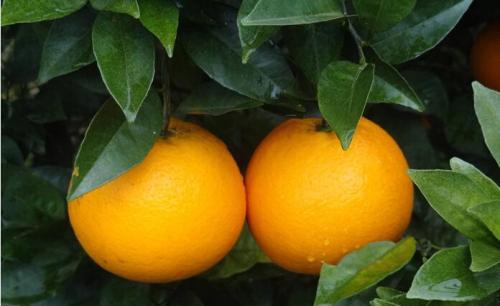
"From a first birthday full of cupcakes, our brains have been hijacked," he says. "We must consciously stay away from sweets and break free from this craving! Stop claiming that orange juice is a healthy breakfast. It is not. Eating a whole orange is a healthy breakfast."
Why are oranges healthy, but orange juice unhealthy? Because research has found that the reason sugar has become a crisis is very simple: fiber. Fiber can lower a food's glycemic index, that is, the speed at which the food turns into harmful blood sugar. The same study also found that regularly taking in whole-grain fiber reduces the chance of developing diabetes by 20 to 30 percent. (Juice retains only the sugar of the fruit while removing the fiber, so the sugar-blocking diet prohibits drinking juice.)
"Eat more fiber" does not mean you can only gnaw on vegetables. Many delicious foods are rich in fiber: whole grains, vegetables, fruits, beans and nuts. A plate of refried beans with tortilla chips, a cup of chili, a steak salad, guacamole with potato chips, are all fiber-rich foods. Just follow the simple recommendations of the sugar-blocking diet, and you can achieve "eat more fiber, eat less sugar."