What are the ways to make homemade flower fertilizer for potted flowers?
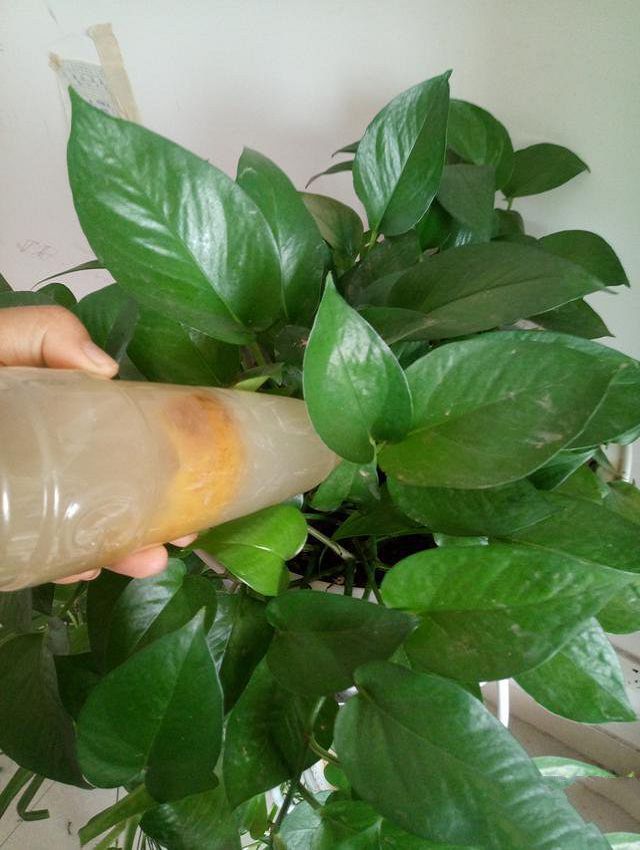
Spring has arrived and everything is coming back to life. Plants are beginning to grow vigorously and sprout new buds. Friends who love growing flowers are all busy repotting their flowers, fertilizing, watering, and giving them sunlight. If you grow quite a lot of flowers, then buying fertilizer is also no small expense. So what about us?
In fact, many kinds of waste and garbage in daily life can be made into homemade flower fertilizer. Today we will briefly talk about a few kinds.
First, okara (soybean dregs)
Do not throw away the okara left over from making soy milk. Put it in an empty plastic bucket, add a little water, and place it in a spot with good light to ferment while sealed.
After about three months, it becomes a nutrient-rich flower fertilizer full of nitrogen and potassium. It works very well for watering plants in their growing period and foliage plants, and its effect is similar to that of cake fertilizer.
Second, rice washing water
Rice washing water is the simplest nutrient solution commonly used in flower growing. The first rinse of rice is the relatively cloudy rice washing water. Put it in an empty oil drum. Place it in a spot with plenty of light and ferment it sealed for about a month or so, and then it is ready to use.
When using it, it is best to dilute it about 10 times. Use it to water some foliage plants. For example, if pothos is regularly watered with rice washing water, it will grow especially glossy green and its growth rate will be especially fast.
If you find the smell is rather strong, add a few pieces of orange peel to cover the odor, and it can also make the soil moisture slightly acidic.
Third, bone meal
The large bones left over from eating meat can also be boiled in a pot to remove the salt in them. Then take them out into the light and sun-dry them for a few days, smash them into powder to make bone meal. This is a fertilizer rich in phosphorus and potassium.
Many orchid plants like to have bone meal added when they are repotted. This bone meal fertilizer is relatively smooth, and its fertilizer effect lasts relatively long. It can promote plants to bloom and form buds, and it is very good for flowering plants.
Fourth, fruit enzyme
The fruit peels, fruit cores, or rotten fruit we usually have should not be thrown away either. They can also be put in a large bucket, sealed with a little water added, and placed in a ventilated spot with good light. In this way, after about three months, they will ferment into a nutrient-rich nutrient solution full of hormones.
Fruit enzyme made from some fresh fruit can be used for beauty and skincare. The one made from some spoiled fruit can be used to water flowers. It can make flowers grow especially brightly colored, and it supplements the various vitamins needed for plant growth, so its effect on plant growth is relatively good.
Fifth, plant ash
The plant ash left after burning a fire in rural fields is also a very good potassium fertilizer, and it can also play a sterilization role for plants. For example, when pruning plants, if the wound is too large, plant ash can also be applied. Its effect is similar to that of carbendazim, and it can play a sterilization role. If diluted with water, it can also be used as a nutrient solution to spray plants. It can also treat aphids, because aphids have sucking mouthparts, and spraying with plant ash solution can block their spiracles and play a role in eliminating aphids.
Of course, plant ash was often used in farmland in the past, and it can make plant roots strong and increase disease resistance. In the process of growing flowers, some can also be used, but for some flowers that prefer acidic conditions, it is best to use less, because plant ash is relatively alkaline.
Of course, there are many other things that can be made into homemade flower fertilizer, such as the water from boiling corn, the water from washing meat, fish intestines, fish scales, and so on, all of which can be made into homemade flower fertilizer. The fertilizer strength is relatively mild, the fertilizer effect lasts relatively long, and it can also improve the soil. If conditions allow, you can also try making some yourself. However, you must be mentally prepared: these homemade flower fertilizers have a relatively strong odor.