What are the flower pruning methods? A detailed explanation of common pruning methods
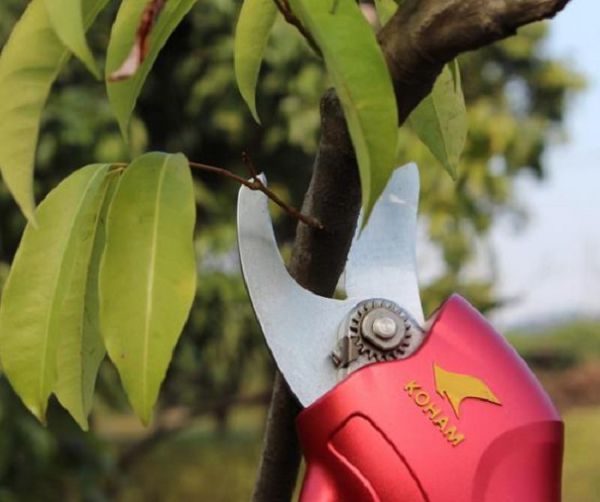
The pruning methods for flowers include:
① Heading back. The principle of heading back is: prune strong branches lightly and weak branches heavily. Light pruning: cut off 1/5-1/4 of the branch; medium pruning: cut off 1/3-1/2 of the branch length; heavy pruning: cut off 1/2-3/4 of the branch length.
② Thinning. The targets of thinning are crossing branches, inward-growing branches, diseased and pest-infested branches, leggy branches and aged branches, so that the plant has clearly defined layers, which is conducive to ventilation, light penetration and flowering.
③ Pinching and tip removal. Pinching is removing the growing point at the tip of a branch; tip removal is removing the top of a new shoot. It can promote the sprouting of lateral buds, speed up the formation of the crown, and make the plant bloom more.
④ Bud rubbing and bud removal. Remove excess lateral buds or new small tender shoots from flowering plants to reduce nutrient consumption and concentrate nutrients for the development of the main bud. Bud removal is removing lateral buds to avoid too many lateral buds affecting the growth of the main bud and making the flowers smaller.
⑤ Flower and fruit thinning. For most ornamental fruit plants, the number of flowers exceeds the fruit set; if flowers are not thinned, a large amount of nutrients will be wasted in vain, and after the fruit has set firmly, the excess young fruit also needs to be thinned out.
⑥ Root pruning. When transplanting or repotting, prune away overly long, damaged or rotted roots.