How to regulate the flowering period of flowers so they bloom at the right time
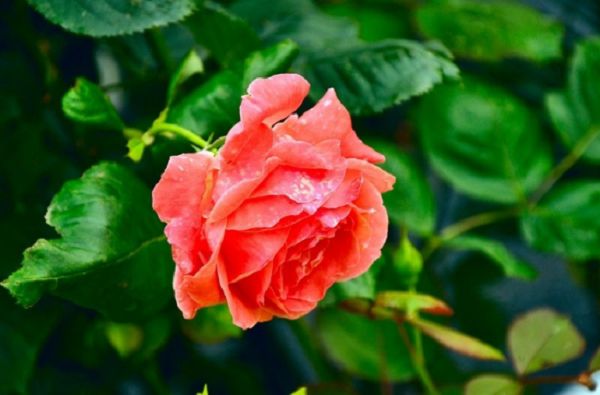
To make flowers bloom at the right time according to people's needs, it is necessary, on the basis of mastering the growth and development patterns of various flowers, to achieve this by regulating environmental conditions and their own reproductive processes. The commonly used technical measures include the following 4 types:
(1) Temperature treatment
1. Heating treatment. For some flowers that can form flower buds as long as they are kept at high temperature, such as Chinese rose, jasmine, Milan, cineraria, and gloxinia, as long as heating is started early, they can bloom as scheduled when needed. For flowers that are overwintering in dormancy but have already formed flower buds, such as tree peony and rhododendron, after being exposed to frost and snow, move them indoors, gradually raise the temperature, keep the room temperature at 20-25°C, and spray frequently, so they can bloom ahead of time.
2. Low-temperature treatment. It is mostly used for flowers that overwinter in dormancy. For example, if rhododendron is not allowed to bloom in early spring and is placed in a cold room at 2-5°C, watered about once every 10 days, and kept there until taken out in mid-September, it can bloom on National Day.
(2) Light treatment 1. Short-day treatment. This method can make short-day plants bloom ahead of time, such as chrysanthemum, poinsettia, begonia, and bougainvillea. After these flowers have grown vigorously, cover the whole plant tightly with black cloth (or black paper) and give only 8-10 hours of light per day. After 50-60 days of such treatment, they can bloom ahead of time.
2. Long-day treatment. By using long-day treatment, short-day plants can be inhibited from flowering. For example, if late chrysanthemum varieties are given 6 hours of supplementary light each day with a 40W fluorescent lamp (60 cm from the plant) before their flower buds differentiate (mid-September), under a room temperature of 20°C, flowering can be delayed until New Year's Day; conversely, long-day flowers can also be made to bloom ahead of time. For example, after dahlia is cuttings-propagated in winter and given supplementary light until 22:00 each day, it can bloom after 130 days.
(3) Chemical treatment Using plant growth regulators to treat flowers can make them bloom ahead of time.
(4) Cultivation measures Using measures such as sowing, cuttings propagation, pruning, and pinching at different times for various flowers to control the flowering period, these methods are very effective for certain flowers. For example, gladiolus can be planted in stages to achieve flowers in all four seasons; another example is salvia, which can have its flowering period delayed by more than 20 days by pinching; late chrysanthemum varieties pinched from July 1 to 5 can bloom around National Day, and so on.