What are the common physiological diseases of flowers and how to prevent and treat them?
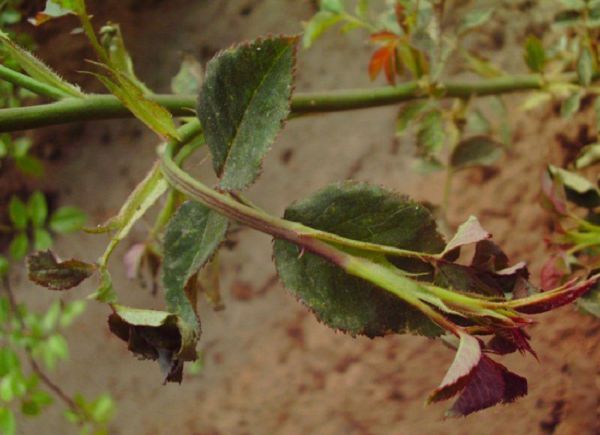
The common physiological diseases of flowers include the following:
(1) Slender, leggy branches, longer internodes, weak, large and thin leaves with a pale color are caused by insufficient light. The sunshine duration should be increased or the light source moved closer.
(2) Curling of the lower leaves of the plant and new leaves that do not grow large are due to excessive light. Appropriate shading should be provided or the light source moved farther away.
(3) Wilting branches and leaves, with the color turning dark and gradually becoming moldy, is caused by overwatering. The amount and frequency of watering should be controlled, especially during the plant's dormant period. Check whether the drainage hole at the bottom of the pot is blocked.
(4) Shriveled leaves, yellow-brown leaf tips, and shedding of the lower leaves of the plant are due to a lack of water. Each watering should be sufficient; do not water only halfway, and do not water just a little. The entire potting soil should be moistened.
(5) Curled and wrinkled leaf margins with a yellow-brown color are caused by insufficient humidity. In addition to spraying the leaves more often, more water should also be sprinkled around the environment of the potted flowers.
(6) Few flower buds, no blooming but only leggy growth of leaves, branches and stems, and the appearance of moss on the clay pot are caused by excessive nitrogen fertilizer. The frequency and amount of fertilization should be reduced; during the bud stage, avoid nitrogen fertilizer and apply more phosphorus and potassium fertilizer.
(7) New leaves and the base stem not growing, drooping lower leaves of the plant, and pale leaf color are due to a lack of fertilizer. During the growing season, increase the amount and frequency of fertilization.
(8) Yellowing, curling and withering of leaves is due to excessively high temperature. The flower pot should be moved to a cool and ventilated place, or more water should be sprinkled or sprayed.
(9) The appearance of yellow-brown spots on the leaves is due to sunburn. Appropriate shading should be provided to prevent direct sunlight.
(10) The appearance of white or yellow spots on the leaves of overwintering plants is caused by cold water droplets falling on the leaf surface. The watering temperature should not be lower than the indoor temperature.
(11) White crystals on the surface layer of the potting soil and along the edge of the flower pot, with the plant's leaves shrinking, rotting and falling off, are caused by excessive fertilization. You can first water to dissolve the white crystals, and after half an hour, water heavily again to flush them out.
(12) The pot is filled with exposed fibrous roots, and fibrous roots also emerge from the drainage hole at the bottom of the pot. After watering, the leaves tend to wilt, and there are few and small new leaves. This is because the pot has not been changed for many years or the flower pot is too small. A larger pot should be used.