What effects does light have on flowering in ornamental plants
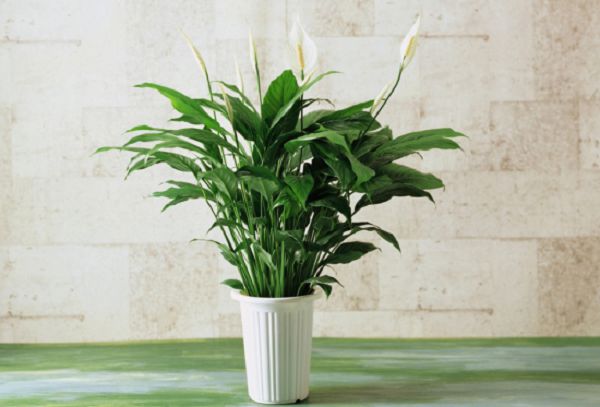
The purpose of cultivating flowers is to make them produce more blooms. How many flowers are produced depends on the growth of the plant's flower buds, and when they bloom depends on flower bud differentiation and growth. Light is the most effective external factor in promoting flower bud formation. On the same plant, branches that receive more light have more flower buds, while branches that receive insufficient light have fewer flower buds. When there are many sunny days in summer, flowers receive plenty of sunlight and will have more flower buds the following year.
According to their requirements for daylength, flowers can be divided into 3 categories: 1. Long-day flowers: flowers that need more than 12 hours of sunlight per day to form flower buds are called long-day flowers. Flowers that bloom in spring and summer mostly belong to this category, such as iris, China aster, and garden balsam.
2. Short-day flowers: flowers that can form flower buds only under the condition of less than 12 hours of sunlight per day are called short-day flowers. For example, poinsettia and chrysanthemum can only grow under the long-day conditions of summer and cannot carry out flower bud differentiation; after autumn begins, flower bud differentiation starts only when the daylength decreases to 10-11 hours.
3. Day-neutral flowers: flowers whose flower bud formation does not have strict requirements for daylength are called day-neutral flowers, such as calla lily, carnation, zinnia, Chinese rose, and Chinese hibiscus. They have no obvious response to daylength, and as long as the temperature is suitable, they can bloom all year round.