What are the precautions for repotting flowers and changing their soil?
For growing flowers, repotting and changing the soil is fairly important. As flowers grow larger and larger, repotting them becomes unavoidable. So what exactly should you pay attention to when repotting flowers and changing their soil, so that the flowers can be grown better?
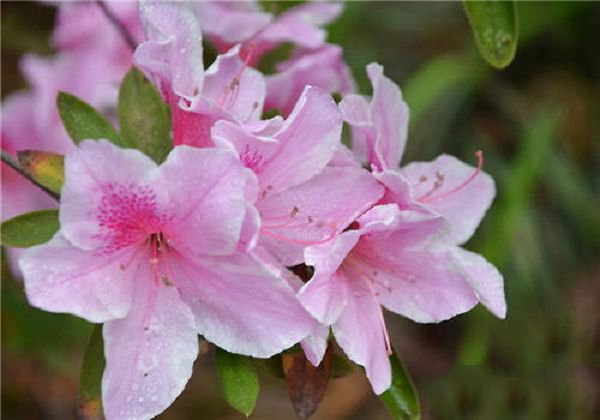
Azalea
1. Looking at the seasons, there are two best times each year for changing the soil:
Spring: March, April, May; autumn: September, October, November.
For some plants, the soil can also be changed in winter, that is, in December and January and February. In any case, you must not choose to change the soil in summer, especially in midsummer; changing the soil in midsummer does more harm than good. The key reason is the high temperature, and in the other seasons this problem does not exist.
2. For plants: the most suitable time for changing the soil is the dormant period and the early growth period.
The times when you absolutely should not change the soil are the seedling-recovery period, the vigorous growth period, the flower bud period, the flowering period and the fruiting period. When changing the soil in autumn, you also need to take the plant's habits into account.
For example, camellia is in its flower bud period in autumn, so at this time the soil absolutely must not be changed; if gardenia does not produce a large number of flower buds in autumn and its growth is relatively slow (provided it has already been growing for a long time, ruling out seedling recovery), then changing the soil can be considered.