Proper ways to handle waterlogged flowers and plants
China's seasons are changeable, and some regions experience prolonged rainy spells, which causes flowers and plants to become waterlogged; some flower growers also cause waterlogging by watering too much. No matter what causes the waterlogging, once it is discovered, taking rescue measures quickly can reduce losses.
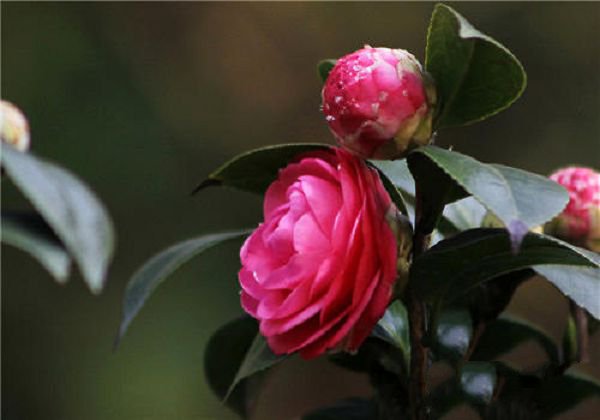
Camellia
1. Drainage. For flowers and plants grown in the ground, dig trenches to drain water; for potted flowers and plants, clear the drainage holes at the bottom of the pot, drain the accumulated water from the pot, move the pot to a rain-sheltered, ventilated and dry place, and reduce the moisture of the potting soil. After waterlogging, the roots of flowers and plants are damaged to a certain extent and their absorption function declines. To maintain a relative balance between root water uptake and leaf transpiration, while strengthening soil drainage, spray the leaves with clean water or a transpiration inhibitor to reduce water loss from the plant and promote a return to normal growth as soon as possible.
2. Cultivation. Soil compaction after water accumulation is the cause of oxygen deprivation and root rot. For flowers and plants after waterlogging, cultivate and loosen the soil in time to enhance air permeability and meet the roots' need for oxygen.
3. Change the soil. Scrape away the wet topsoil around the roots and replace it with dry soil. For potted flowers and plants, spread plant ash or dry soil on the surface of the pot to reduce the water content of the roots and promote the recovery of metabolic function. For potted flowers that have been waterlogged for a long time, knock the plant out of the pot together with the root ball, place it in a cool, ventilated place to let the water evaporate, and after three or four days, when the water content returns to normal, repot it for care.
4. Protect from the sun. When a long rainy period suddenly clears, place the pots in a cool, ventilated place to prevent sudden exposure to strong sunlight. This is because after waterlogging, the root absorption function of flowers and plants is noticeably weakened; sudden strong sunlight would intensify transpiration and water loss from the branches and leaves, causing wilting.
5. Control fertilizer. After flowers and plants are waterlogged, the roots are damaged to varying degrees and the absorption function is significantly reduced. At this time, no fertilizer is needed, otherwise it will speed up the death of the plant. Wait until the roots recover their normal absorption and metabolic function before fertilizing, applying light fertilizer frequently, and the concentration must not be too high.