How to grow houseplants at home and points to note
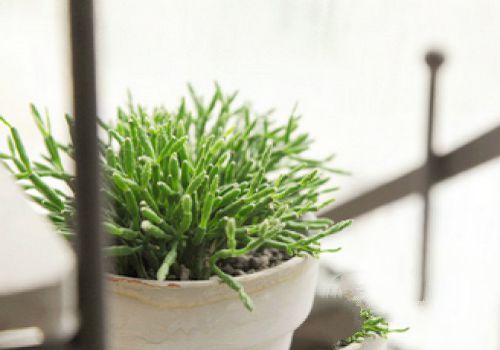
Indoor flower decoration methods mainly depend on the size of the indoor space, the intensity of light, the use value, and the form, size, color and ecological habits of the chosen plant materials.
In recent years, indoor flower decoration has become very popular; new materials and new techniques keep emerging, decoration methods are ever-changing, and artistic forms come forth in endless variety. Currently the commonly used ones include the placement style, water-culture style, bottle-garden style, hanging style, wall-mounted style, inlay style, climbing style, screen style, combination style and so on. They are briefly described below:
1. Placement style
This means placing potted flowers directly in the indoor air, on stands, tables and cabinets and other surfaces for people to admire. They can be placed as a single pot, or arranged in groups, or laid out flat in multiple layers and from multiple directions. This method is highly flexible and mobile; the plants can be moved and adjusted at will, keeping the layered structure of the indoor space in dynamic change and giving people a sense of novelty.
2. Water-culture style
Choose ornamental plants that can grow in water (such as lucky bamboo, Guangdong evergreen, arrowhead plant, roundleaf peperomia, water bamboo, lucky grass, etc.) and place them in a water basin or water bottle, or insert them into a small water basin mixed with a little cultivation soil for maintenance. This is one of the popular methods of indoor flower decoration in recent years; on the clear water surface the flowers and leaves float, giving a feeling of vitality, freshness and brightness.
3. Bottle-garden style
This means growing small ornamental plants in transparent glass containers. Bottle cultivation mostly uses a closed, large glass bottle, planting small, moisture-tolerant plants such as ferns, stone acorus and dayflower in the bottle, and cultivating them into a beautiful glass bottle garden. This small, exquisite and transparent bottle garden, placed on a stand or desk, offers a special charm when viewed.
4. Hanging style
The hanging style means using plastic, metal, bamboo, wood, rattan or other materials to make hanging baskets, hanging pots and other containers, filling them with loose, fertile, lightweight growing medium, and planting in them some small trailing vines with hanging branches and leaves. Then use metal chains, ropes, etc. to hang them in spaces such as windows and wall corners, so that the branches and leaves droop naturally and sway in the air, forming an indoor "small garden in the air" and adding a flat landscape of spatial beauty to the room. This decorative method has the advantage of "occupying the sky but not the ground", and is especially suitable for rooms with a smaller indoor area. The hanging spot is best chosen where no one walks, and at the same time the ropes etc. must be sturdy, to prevent the hanging basket and others from falling and injuring people.
5. Wall-mounted style
Wall-mounted decoration is a novel method of beautifying modern room walls. Its main forms are divided into flat wall hangings, picture-frame wall hangings, flower-arrangement wall hangings and so on. To make a flat wall hanging, it is best to choose small plants that are also shade-tolerant, such as ornamental ferns, watermelon peperomia, purple velvet plant and string of pearls. Method for making the decorative container: you can choose a fine-holed plastic pot with a mouth diameter of 40-50 cm and a bottom diameter of 30-40 cm, cut it lengthwise into two halves, and then nail it onto a thin but hard wooden board, thus making a semicircular planting container. The inner wall of the container should be lined with a plastic film, and the outside of the container bottom can be fitted with a matching plastic water receptacle. When planting, first fill the container with a growing medium mixed evenly from leaf mold, fine charcoal and coarse sand, then plant the flowers, water thoroughly, and after the water has drained, hang it on the indoor wall, and it becomes a living mural with a distinctive landscape and a strong flat sense.
6. Inlay style
The inlay style means embedding specially made half-shaped vases or semicircular flower pots into vertical places such as walls and column surfaces, and then planting some distinctive flowering plants in them, in order to achieve the purpose of decoration.
The inlay style is a method of using vertical space to arrange plants for indoor decoration; it can give the whole interior a flat sense and let people admire exquisite and vivid "living murals". There are generally two forms of decoration: one is to make the planting containers into semicircular, triangular, trapezoidal, vase-shaped or other containers of varying sizes that you like, fill the containers with growing medium, plant the plants, and then inlay them on walls and columns, making them alternate in size and uneven in height, like a relief pattern of flowers and plants, very elegant and beautiful. The second is to build irregular artificial cavities in walls and columns, embed natural stone material, fill in growing soil, and plant the plants into the cavities. Or install multi-layer shelves on the wall, place all kinds of potted flowers on the layers, and install lighting fixtures; the plant materials should preferably be those that grow densely, droop or spread horizontally, or have tendrils, such as ferns, pothos, spider plant and ivy. The medium is mostly a mix of sphagnum moss, vermiculite and so on. The maintenance and management methods for the plants are basically the same as for the hanging style. The difference is that flowering plants should be placed on wall and column surfaces facing the light, while shade-tolerant foliage plants should be placed on wall and column surfaces with weaker light. The whole picture should be higher than people's line of sight, for easy viewing.
7. Climbing style
Plant climbing plants at the corners of the living room and other places, so that the green leaves climb upward and cover the wall or ceiling. This arrangement, especially in the hot summer season, can create a green environment indoors, adding a cool and quiet atmosphere to the family room, and is very popular. Its detailed decoration method is: plant vines in a corner of the room, use ropes to lead them up the wall, and at the same time run a rope net on the wall surface, letting the vines wind along the ropes and spread over the net surface, thus forming a partial green screen. You can also nail hooks firmly to the indoor ceiling, so that the whole ceiling is covered with floating green leaves; people indoors move as if under the protection of green shade, and being in that setting, they feel a piece of quiet seclusion, comfortable in heart, and pleasantly cool.
8. Screen style
This means using ornamental plants as a screen. This greening decoration method is suitable for arrangement in halls. For example, in a spacious room, according to personal preference and needs, place a few taller potted plants with dense branches and leaves as a screen; it not only has a beautifying and decorative effect, but can also divide one room into two parts with different functions (living room and dining room), achieving multiple benefits at once. When making the screen, the plant materials can be chosen according to the size of the room. For a large indoor space, palm family plants or philodendron plants can be chosen; for a narrower interior, vines such as ivy, pothos and arrowhead plant can be chosen. Making method: first plant the plants in pots filled with growing soil, then insert a flat bamboo frame in the pot, lead the branches and vines to climb and attach to it, forming a barrier covered with green leaves, making the interior appear quiet, elegant and verdant.
9. Combination style
Combination potting, simply put, is planting multiple ornamental plants in the same container. Choose several small indoor ornamental plants with basically similar growth habits, and use artistic arrangement techniques to plant them reasonably in one container, so that they form the collective beauty of flowers.
The containers for planting flowers should be simple and elegant, and should harmonize with the color of the flowers. Generally, small containers hold 2-3 kinds per pot; medium containers hold 3-4 kinds; large containers hold 4-5 kinds.
Pay attention to the mutual matching of different flower species. For example: for a multicolor plant combination, it is best to choose plants with rich leaf colors and varied leaf shapes as the main body, matched with other plants with calm leaf colors as a foil, used to decorate a bright living room, making the environment appear warm and bold: for a flowering plant combination, it is best to dot plants with a longer flowering period and bright flower colors on one side, with a column as the background, planting vines with peculiar leaf shapes; in this kind of plant combination, you can choose only one single-color flowering plant, and use foliage plants for the rest. This way the colors are not only harmonious, but there is also a flat sense, suitable for display along the windowsill; for a hanging plant combination, the plant arrangement and form can be varied, but usually the taller or more upright varieties are arranged in the center of the container, and the shorter or trailing varieties are arranged around the container. In this way, when hung, the branches and vines drape down along the pot rim, with a natural charm.
In addition, several drought-tolerant plants can also be planted in one pot, such as planting sansevieria, jade plant, agave, tricolor peperomia, moon cactus, ball cactus and other flowers in a round shallow pot, using sandy soil as the growing medium. This combination cultivation not only has the mood of a bonsai, but also allows you to admire ornamental plants of different forms and colors at the same time. Combination cultivation occupies little space and is convenient to manage, so it is a good way to grow drought-tolerant plants.